
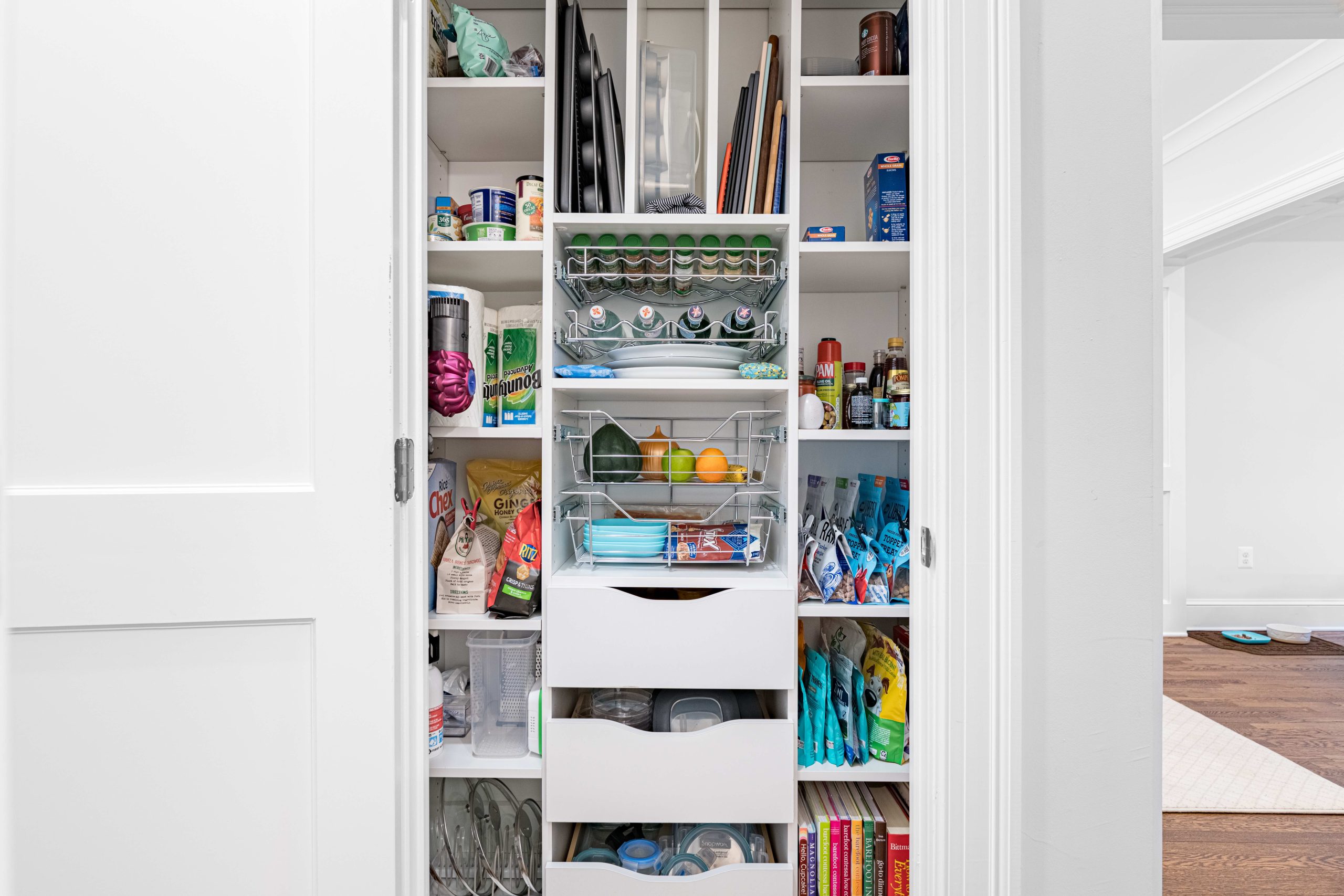
Craft Closet Design Features
Creativity is a lot more enjoyable when your supplies are easy to find, easy to reach, and easy to put away. If you love crafting, you probably know how quickly a few favorite materials can turn into crowded shelves, tangled ribbons, overflowing bins, and half-finished projects spread across the room.
Thoughtful craft closet storage can help bring calm back into your creative space. When your closet supports the way you actually craft, your supplies feel more inspiring, your projects feel easier to start, and cleanup becomes much more manageable.
Why Craft Closets Become Difficult to Organize
Craft closets have a unique challenge: they usually hold a wide variety of items that do very different jobs. A closet may need to store delicate paper, tiny tools, bottles of paint, fabric, yarn, ribbon, glue guns, cutting machines, gift wrap, and seasonal materials all in one place. Without a thoughtful system, even a generous closet can start feeling crowded.
The good news is that craft clutter usually has a clear cause. It often comes from storage that does not match the creative process. When your organization supports how you work, your closet becomes easier to maintain and much more enjoyable to use.
Craft supplies come in many shapes and sizes
Crafting materials rarely fit into one neat category. Small tools like scissors, markers, needles, stamps, beads, and glue sticks need divided storage so they do not scatter. Paper supplies need flat, protected space. Fabric needs room to breathe and stay visible. Paints, brushes, sprays, and adhesives need upright storage that is easy to clean and easy to access.
Then there are the bulkier items: sewing machines, cutting machines, paper trimmers, storage tubs, wreath forms, canvases, and seasonal craft bins. These pieces can take over a closet quickly because they need more than a basic shelf. A functional craft closet needs storage that can handle both the tiniest supplies and the most awkward equipment.
Creative projects naturally create temporary clutter
Crafting is an active process, so some temporary clutter is expected. You may pull out materials for one project, then leave them nearby because you plan to keep working later. That is completely normal. Creativity often happens in stages, especially when projects need drying time, decision time, or a few extra pieces before they are finished.
The challenge comes when temporary project clutter has no place to pause. Ongoing projects can spread from the closet to the desk, dining table, floor, or guest room. Supplies stay out for convenience, and the closet slowly becomes harder to reset. A good craft storage system gives active projects a place to land so your supplies can remain organized between creative sessions.
Limited visibility leads to forgotten supplies
When craft supplies are hidden in deep bins, stacked boxes, or crowded shelves, it becomes easy to forget what you already own. You may buy another roll of ribbon because you could not find the one you had. You may replace markers, stickers, thread, paper, or paint because the originals were tucked out of sight.
Limited visibility can also slow down your creativity. If you need to search through multiple containers before starting a project, the process begins to feel tiring before the fun part even starts. Clear categories, accessible drawers, open shelves, and labeled zones can help you see your materials at a glance. That visibility supports better project planning and helps reduce wasted supplies.
Storage systems often aren’t designed for actual crafting habits
Many craft closets begin with generic shelves, a few bins, and good intentions. Over time, those basic systems can struggle to keep up. Shelves may be too deep for small items, too short for taller supplies, or too fixed to adapt as your hobbies grow. You may find yourself stacking items awkwardly or moving five things just to reach one tool.
Crafting also requires accessibility during a project. You need supplies close enough to grab quickly, sorted in a way that makes sense, and easy to return when you are finished. Creative spaces function best when organization supports the creative process and helps momentum continue smoothly.
Smart Craft Closet Storage Ideas for Better Organization
Once the foundation is clear, the next step is choosing storage features that match the way you craft. The best ideas are practical, visual, and easy to maintain. A smart craft closet should help you store a wide range of supplies without making the space feel crowded.
Adjustable shelving for changing craft storage needs
Adjustable shelving is one of the most helpful features for a craft closet because supplies vary so much in height and size. Short jars of beads, tall bottles of paint, stacks of paper, bins of yarn, and boxes of seasonal materials all need different amounts of space. Fixed shelving often leaves awkward gaps or cramped sections.
With adjustable shelves, the closet can be reworked as your materials change. You can create taller sections for bulky equipment, narrow sections for paper or small bins, and open areas for items you use often. This also helps maximize vertical space, especially in a smaller closet where every inch matters.
Drawer systems for smaller craft supplies
Small supplies need containment. Without drawers, they often end up scattered in bins, rolling around shelves, or hidden at the bottom of containers. Drawer systems help keep these items organized by category and easy to find when you need them.
Drawers can also reduce visual clutter. Even a busy collection of supplies feels calmer when smaller items are tucked into organized compartments.
Vertical storage that maximizes limited space
Craft closets often have more vertical potential than homeowners realize. Walls, upper shelves, door areas, and tall cabinet sections can all help increase storage capacity. This is especially helpful when the floor space is limited or when larger items are taking up too much room.
Vertical storage can keep less-used supplies higher up while daily favorites stay within easy reach. Seasonal craft materials, holiday wrapping supplies, backup paper, extra fabric, or large equipment can be placed in upper zones. Frequently used tools and materials can stay in the middle of the closet, where they are easier to grab.
Pull-out storage for easier visibility and access
Pull-out storage is a strong option for deep shelves or compact closets. When items are stored toward the back of a shelf, they can easily disappear behind other supplies. Pull-outs bring everything forward, which makes it much easier to see, reach, and return materials.
This feature works well for bulky supplies like yarn, fabric bundles, paint bottles, adhesive containers, paper pads, or crafting tools. Pull-outs can also support faster cleanup because you can slide the storage open, place items back in the right section, and close it without digging through layers.
For crafters who use many different materials during one project, pull-out storage can make setup feel smoother. You can access what you need quickly and keep the project moving.
Dedicated zones for different crafting activities
Grouping supplies by activity can dramatically improve workflow. When sewing items, painting supplies, scrapbooking materials, kids’ crafts, and gift wrap all share the same shelf, projects can involve constant searching. Dedicated zones help you move through each activity with fewer interruptions.
A craft closet may include zones such as:
- Sewing supplies with thread, fabric, needles, patterns, scissors, and machine accessories.
- Scrapbooking materials with paper, stickers, stamps, albums, cutting tools, and adhesives.
- Painting tools with brushes, paints, palettes, canvases, water cups, and protective cloths.
- Kids’ craft supplies with crayons, washable markers, glue, paper, and easy-access bins.
- Gift wrapping storage with rolls of paper, ribbons, tissue, tags, boxes, and greeting cards.
Activity-based organization helps you start projects faster because the materials you need are already grouped together. It also makes cleanup more intuitive because each category has a logical place to return.
Integrated workspace and storage combinations
Many crafters need space for both storage and active project work. If you have a small room, shared space, or closet-based craft area, an integrated workspace can make a big difference. Fold-out work surfaces, compact counters, built-in desks, or pull-out tables can create room for cutting, wrapping, painting, assembling, or sorting.
This is especially helpful when the closet is part of a multi-functional room. A guest room, home office, laundry room, or hallway nook can support crafting when storage and workspace are planned together. Supplies can stay organized nearby, and the work surface can be used when needed without taking over the room.
A well-planned creative station can make crafting feel easier to begin and easier to pause. Your materials stay close, your tools remain accessible, and your workspace feels ready when inspiration strikes.
4 Signs It May Be Time for a Custom Craft Closet Solution
Sometimes a craft closet needs more than a few new bins or a weekend reset. If the current layout keeps working against you, a custom storage solution may help make the space more functional, inspiring, and enjoyable.
Custom storage can improve both how the closet looks and how it supports your creative habits. When shelves, drawers, cabinets, and work areas are designed around your supplies and routines, crafting becomes easier from setup to cleanup.
1. Your supplies no longer fit the available space
If your supplies are stacked on the floor, spilling onto nearby surfaces, or stored in multiple rooms, the closet may no longer support your collection. This is especially common when hobbies grow over time or when one creative interest expands into several.
A custom solution can help make better use of the closet’s height, depth, and layout. Tall sections, adjustable shelves, drawers, and specialty compartments can give different supplies the space they need.
2. You spend too much time searching for materials
Searching for supplies can drain creative energy quickly. If you often dig through boxes, open several bins, or buy duplicates because you cannot find what you need, your closet may need better visibility and access.
Custom storage can bring materials into clearer view. Pull-outs, drawers, open shelving, labeled zones, and activity-based organization can make supplies much easier to locate. When everything is easier to find, your project time feels more enjoyable.
3. Your creative space feels cluttered instead of inspiring
Your craft space should make you want to create. If opening the closet feels overwhelming, crowded, or frustrating, the layout may be creating visual stress. Too many stacked bins, mismatched containers, and overflowing shelves can make the space feel busy before a project even begins.
A custom craft closet can bring a more polished and peaceful feeling to the space. Cabinets can hide visual clutter, open shelves can display favorite materials, and drawers can keep smaller items contained.
4. Generic shelving no longer supports your workflow
Basic shelving can work for simple storage, although crafting often needs more thoughtful planning. If your shelves are too deep, too fixed, too crowded, or too difficult to access during projects, your closet may need a layout designed specifically for your workflow.
A custom design can support how you move through a project. Supplies can be grouped by activity, daily tools can stay within reach, and project materials can have a place to pause between sessions. This can make crafting feel smoother and more satisfying.
How The OC Tailored Closet Creates Personalized Craft Storage Solutions
At The OC Tailored Closet, we understand that craft spaces are deeply personal. Your supplies, hobbies, routines, and creative style all shape the way your storage should function. Our approach is helpful, collaborative, and centered on designing a space that makes creativity feel easier to enjoy.
We create custom cabinetry and storage systems that can support closets, home offices, pantries, laundry areas, mudrooms, wall beds, craft spaces, and more. For craft storage, we focus on both usability and visual inspiration, so your space feels organized, practical, and aligned with the rest of your home.
Customized storage designed around individual hobbies and routines
Every crafter uses their space differently. Some need a sewing-focused closet with fabric storage, thread drawers, and room for patterns. Others need paper storage, gift wrap zones, kids’ craft supplies, painting tools, or a combination of several creative categories.
We begin by learning how often you craft, which supplies you use most, and what currently feels frustrating. From there, we develop a personalized layout that supports your creative routine. This collaborative planning process helps us create storage that feels natural for the way you work.
Solutions that maximize both storage and usability
A craft closet needs capacity, and it also needs to be easy to use. We look at the full space, including height, depth, door clearance, wall areas, and the way supplies need to be accessed. Efficient space planning helps us create a closet that holds more while still feeling clear and comfortable.
Depending on your needs, we may incorporate:
- Adjustable shelving for supplies of different heights and sizes.
- Drawers for tools, thread, markers, accessories, and small materials.
- Pull-outs for deep storage, bulky supplies, or easy-access project materials.
- Cabinets for visual calm and concealed storage.
- Dedicated zones for sewing, painting, scrapbooking, gift wrap, or kids’ crafts.
- Integrated work surfaces for compact creative stations.
These features can work together to create a craft closet that supports both storage and active project flow.
Designs that feel organized and visually inspiring
Craft spaces should feel uplifting. We offer a wide range of finishes, colors, and cabinet door styles so your craft closet can complement your home and your personal style. Whether you prefer a clean, modern look, a warm classic design, or something bright and creative, we can help guide the design details.
A visually cohesive craft closet can make the entire room feel more finished. This is especially valuable when the craft area is part of a guest room, home office, hallway, laundry area, or multi-purpose space. The closet can support your creativity while blending beautifully with the surrounding room.
Professional installation and craftsmanship
The final result depends on careful execution. Our professional installation team helps ensure that shelves, drawers, cabinetry, pull-outs, and storage features are installed securely and precisely. That attention to detail matters in a craft closet because the space may hold heavy supplies, delicate materials, and items you access often.
We design with durability in mind, so your craft storage can support your hobbies over time. From the planning stage to the finished installation, our goal is to create a space that feels thoughtful, dependable, and enjoyable to use.
Habits That Help Keep a Craft Closet Organized
The right storage system makes a huge difference, and simple habits help that system last. Craft closets are active spaces, so they need a maintenance routine that feels realistic. Small, consistent resets can keep the closet functional without turning organization into a chore.
The goal is to create a flexible support system for your creativity. Your craft closet should help you enjoy your hobbies, manage your materials, and leave room for ideas to grow.
- Reset the space after each project: A quick reset after each project can prevent clutter from building up. Put tools back in their drawers, return supplies to their zones, discard scraps, and place unfinished pieces in a designated project bin or shelf. This does not need to take long when everything has a clear place.
- Avoid overcomplicated labeling systems: Labels can be very helpful, especially for bins, drawers, and shared craft spaces. The key is to keep categories simple and intuitive. Broad categories like “paint,” “paper,” “ribbon,” “sewing,” “kids’ crafts,” or “gift wrap” are often easier to follow. Simple labels also make the closet easier for other family members to use.
- Reassess supplies periodically: Craft supplies have a way of accumulating. A periodic review can help you keep the closet focused on the hobbies and projects you actually enjoy now. You may find dried-out markers, duplicate glue bottles, fabric you no longer love, half-used kits, or seasonal materials you have outgrown. Set aside time every few months to remove items that no longer serve your creative life.
- Leave room for creativity and flexibility: A craft closet should have a little breathing room. If every drawer, shelf, and bin is packed to the edge, it becomes harder to bring in new materials or pause an ongoing project. Leaving some open space gives your creativity room to move.
Bring More Joy and Order to Your Creative Space
A well-designed craft closet can make a meaningful difference in how you create. When supplies are visible, accessible, and grouped around your favorite activities, projects become easier to start and cleanup feels far less overwhelming. Flexible storage, smart zones, drawers, pull-outs, and integrated workspace features can help your creative area feel calm, inspiring, and ready for your next idea.
If your current craft closet feels crowded, frustrating, or difficult to maintain, we would love to help you reimagine it. Schedule your free in-home consultation with The OC Tailored Closet, and let’s create a personalized craft storage solution that brings more ease, beauty, and inspiration to your creative life.
FAQ
How do I organize a craft closet when I have many different hobbies?
Start by grouping supplies by activity instead of trying to organize everything by size or container type. Sewing, painting, scrapbooking, gift wrapping, kids’ crafts, and general tools can each have their own zone. This makes projects easier to start because the materials you need are already together. If you have several hobbies, flexible shelves, drawers, and labeled bins can help each category stay clear without making the closet feel overly complicated.
What supplies should be easiest to reach in a craft closet?
The easiest-to-reach supplies should be the ones you use most often. This might include scissors, glue, markers, thread, paintbrushes, measuring tools, tape, or your favorite paper and fabric. Place these items at a comfortable height where you can grab them quickly. Less-used supplies, seasonal materials, and backup items can go higher or lower. This simple access strategy can reduce setup time and make crafting feel more spontaneous and enjoyable.
Are drawers or shelves better for craft storage?
Both can be useful, depending on what you store. Drawers are ideal for small items like markers, thread, stamps, beads, tools, and embellishments because they keep supplies contained and easy to categorize. Shelves work well for bins, paper stacks, fabric, paint, machines, and larger materials. A strong craft closet usually combines several storage types so each supply has a home that matches its shape, size, and frequency of use.
Can craft storage be designed for a shared family space?
Yes, shared craft spaces can work beautifully with clear zones. Kids’ supplies can sit lower where they are easy to reach, while delicate tools, paints, sewing items, or specialty materials can be stored higher or behind cabinet doors. Labels and simple categories make it easier for everyone to help with cleanup. A shared craft closet can support creativity for the whole household when each person’s materials have a clear, practical place.
Can The OC Tailored Closet design storage for my specific crafts?
Yes, we design around your actual hobbies, materials, and routines. We can create storage for sewing, painting, scrapbooking, gift wrapping, kids’ crafts, floral projects, paper crafts, and many other creative activities. We look at what you use most, what needs protection, what needs visibility, and what requires easy access. From there, we create a personalized layout that helps your craft closet feel organized, inspiring, and comfortable to use.
Can my craft closet design match the rest of my home?
Yes, we offer a variety of finishes, colors, and cabinet door styles so your craft closet can feel cohesive with your home’s overall design. Some homeowners prefer a bright, creative look, while others want a clean and polished style that blends into a bedroom, office, hallway, or multi-purpose room. We can help you choose design details that make the space functional, beautiful, and visually connected to the rest of your home.