

Closet designers in Orange County are not hard to find, but finding the right one takes a bit more than a quick search. The difference between a designer who delivers and one who disappoints shows up in the details, and those details are worth understanding before you commit.
At The OC Tailored Closet, we have worked with homeowners across Orange County long enough to know what a strong design process looks like and where most projects go wrong. From what to look for in a designer to what a realistic budget actually covers, there is a lot that goes into making the right call. The more informed you are going in, the better the outcome on the other side.
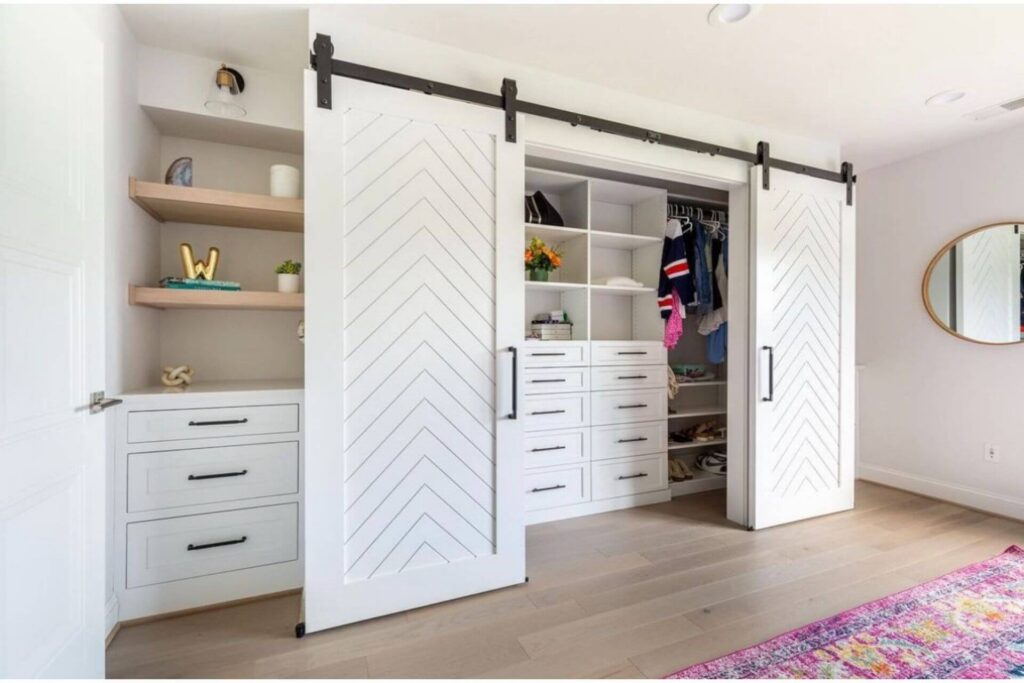
Why the Designer Matters More Than the Product
Finishes and configurations get most of the attention in a closet project. The designer making those decisions is what actually determines whether the finished result holds up in daily life.
The Questions a Strong Designer Asks
A skilled closet designer comes to the process with genuine curiosity about how you live. Before a layout takes shape, they want to know how you get dressed in the morning, where things tend to pile up, what your wardrobe looks like now and where it is headed, and how the space needs to function for everyone using it. These questions are not preliminary small talk. They are the foundation of a design that works. A designer who skips them is working from assumptions, and assumptions produce closets that look right in a rendering and frustrate in practice.
Template Thinking vs. Genuine Design
There is a meaningful difference between a designer who applies a standard layout to your space and one who builds a layout around your specific storage reality. The template approach is faster and easier to execute, but it tends to surface its limits within the first few months of use. A drawer in the wrong place, a hanging section sized for a wardrobe different from yours, shelving that almost works but not quite. Genuine design requires more time upfront and produces a result that earns its place in the room every single day.
What Good Design Prevents
A strong designer identifies problems before installation begins. Awkward door clearances, insufficient hanging length, lighting placements that cast shadows in the wrong places, configurations that ignore how the room is actually entered and used. These are all solvable at the design stage and expensive to address after the fact. The value of a thorough, experienced designer shows up most clearly in what does not go wrong.
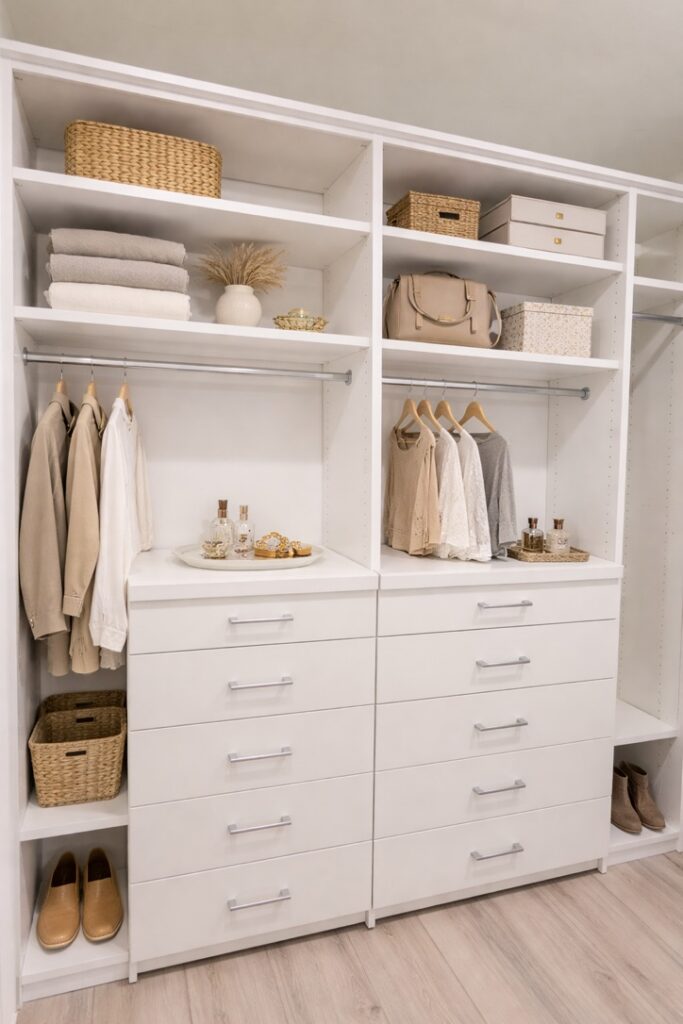
What a Strong Closet Design Process Looks Like
Knowing what a quality design process involves makes it easier to evaluate any provider you are considering. The steps below are what a serious firm delivers as a matter of course.
The Initial Consultation
A strong consultation goes well beyond room dimensions. A good designer asks about your daily habits, your wardrobe volume, where things tend to accumulate, and what frustrates you about the current setup. The goal is to understand how you actually use the space before any design decisions are made. Consultations that skip this step and move straight to measurements are a signal that the design will be built around assumptions rather than your specific storage reality.
3D Visualization Before Anything Is Built
Expecting to see a rendered version of your closet before installation begins is entirely reasonable, and any quality provider should offer it as standard practice. A 3D visualization lets you respond to the design while changes are still easy and inexpensive to make. It also closes the gap between what you imagined and what gets built. Walking into a finished installation that surprises you is a problem that visualization eliminates, and it reflects well on any firm that uses it consistently.
Material, Finish, and Measurement Standards
Material and finish selection should feel collaborative. A good designer guides those choices based on your space, your lighting conditions, and the aesthetic of your home. A catalog handed across a table with minimal guidance is a missed opportunity. Precise measurement is equally important. Before committing to any provider, clarify:
- Who takes the measurements and what protocol they follow
- Whether the same team that measures also installs
- Who is accountable if something does not fit correctly on installation day
Getting these details confirmed early keeps the project on solid footing from the start.
Final Walkthrough and Client Sign-Off
A quality firm considers the job complete when the client does. A final walkthrough with a project manager or lead installer, where you inspect the finished work together before signing off, is the standard worth expecting. It keeps the firm accountable to the finished result and gives you a clear moment to raise anything that needs attention before the team leaves.
What Custom Closet Design Actually Costs
Custom closet pricing varies significantly because the variables that shape it vary significantly. Setting realistic expectations before the design conversation begins makes the whole process smoother.
How Project Type Shapes the Starting Point
The scope of the project is the first and most significant cost factor. Reach-in closets sit at the lower end of the range given their limited square footage and simpler configurations. Walk-in closets occupy the middle range, where layout complexity, linear footage, and material choices begin to have more influence. Large primary closets with full cabinetry, integrated islands, and specialty storage features represent the higher end, where every additional detail compounds the overall investment. Thinking about cost as a function of square footage, configuration complexity, material tier, and hardware choices gives you a more accurate framework than any single price point could.
What Moves the Number in Either Direction
Several factors push a project toward the higher end of its range. Fully custom sizing, premium finishes, pull-out accessories, integrated lighting, and island units all add meaningful cost. On the other side, simpler configurations, standard finishes, and smaller square footage keep the investment closer to the floor of the range. Understanding which features are priorities and which are flexible gives you a clearer picture of where your project is likely to land before the design conversation begins. A good designer will walk you through those trade-offs honestly rather than steering you toward the most expensive option by default.
The Real Cost of Getting It Wrong
A poorly designed or poorly installed closet has a short lifespan. Systems that do not account for actual wardrobe volume, configurations that ignore how the space gets used, or cabinetry installed without precise measurements tend to get replaced within a few years. The lower upfront cost rarely holds up against the total expense of doing it twice. A closet used twice a day for ten years is one of the highest-contact spaces in a home, and the investment deserves to reflect that. Spending thoughtfully the first time around is almost always the more economical path.
Red Flags That Tell You to Walk Away
A few clear signals separate firms worth working with from ones worth avoiding. Knowing them before you start the conversation saves considerable time and frustration.
Problems That Show Up Before the Design Begins
The earliest stages of the process reveal a lot about how a firm operates. A company that quotes without taking measurements, offers no site visit or in-person consultation, and provides no 3D visualization at any point in the process is working from a playbook that prioritizes speed over accuracy. These are not minor procedural gaps. They are structural problems that tend to produce results that disappoint. A quote issued before anyone has seen the space is, at best, an estimate built on assumptions.
Accountability Gaps and Pressure Tactics
Vague answers about who handles installation and who is responsible if something goes wrong are worth taking seriously. A firm confident in its process will answer those questions directly and without hesitation. The same applies to portfolio and reviews. A company without verifiable completed projects or client references is asking for a significant amount of trust with very little offered in return. Pressure to decide quickly or accept a limited pricing window, inability to name who measures and who installs, and deflective answers when accountability questions are raised are all consistent signals worth heeding before you commit to anything.
What These Signals Tell You
A firm’s process is a reflection of its standards, and the early interactions are where those standards show themselves most clearly. Pressure tactics, missing steps, and evasive answers about responsibility are consistent indicators of an experience that will frustrate rather than deliver. Taking the time to ask direct questions and evaluate the answers honestly is the most reliable way to find a provider worth trusting with your home.
Why Orange County Homeowners Choose The OC Tailored Closet
At The OC Tailored Closet, we are Orange County’s full-service custom closet design and installation firm. Client approval is our finish line, and every stage of our process is built around reaching it.
A Design Process Centered on How You Live
Before a single layout is drawn, our designers invest time understanding how you use your space, where things accumulate, and what your storage reality actually looks like day to day. That conversation shapes everything that follows. Our 3D visualization tool then translates the design into something you can see and respond to before anything is built, so the finished result matches your expectations rather than approximating them.
The Range to Integrate With Any Home
Our cabinet styles, finishes, and configurations cover enough ground to work with virtually any home aesthetic. Shaker profiles, matte and textured finishes, specialty hardware, and a broad selection of accessories mean the result feels like a natural extension of your home rather than something added to it. Every choice is made in conversation with your designer, with the specific character of your space guiding the selections from start to finish.
Installation and Accountability at Every Stage
Our craftsmen work from precise measurements and detailed material specifications, arriving prepared and working efficiently. When installation is complete, a project manager conducts a final walkthrough with you before the job is considered done. We hold ourselves to client sign-off as the standard of completion, and that accountability shapes how our team approaches every detail across every project we take on.
Your Search for the Right Closet Designer Ends Here
Finding quality closet designers in Orange County comes down to knowing what a strong process looks like, what fair pricing reflects, and which signals tell you a firm is worth trusting. The details covered here give you a genuine framework for making that call with confidence rather than guesswork.
At The OC Tailored Closet, we offer a free in-home consultation to get the process started. Come with your space, your questions, and a sense of what has not been working. We will handle everything from the first measurement to the final walkthrough. Reach out to us today and let’s build a closet that earns its place in your home every single day.
Best Closet Designers Near You FAQs
What should I look for when hiring a closet designer?
Start with the process. A strong designer asks about your lifestyle and storage habits before drawing anything. Look for firms that offer 3D visualization, take precise measurements, and have a clear accountability structure from design through installation. A portfolio of completed projects and verifiable client reviews are reasonable things to expect from any provider worth considering.
How do I know if a closet designer is qualified?
Experience, portfolio, and process tell you most of what you need to know. Ask how long they have been working in custom closet design, request examples of completed projects in comparable home styles, and pay attention to how thoroughly they ask about your needs during the initial consultation. A designer who listens carefully and asks good questions is usually one who delivers good results.
How does The OC Tailored Closet approach the initial design consultation?
We come to you. A designer visits your home, takes precise measurements, and spends time understanding how you use the space and what you need it to do. From there, we build a design concept using our 3D visualization tool so you can see exactly what you are getting before anything is built. The consultation is free, thorough, and focused entirely on your space and your goals.
What areas of Orange County does The OC Tailored Closet serve?
We serve homeowners throughout Orange County, from Irvine and Newport Beach to Anaheim and beyond. Our in-home consultation process brings the design conversation directly to your home, so there is no need to visit a showroom to get started. Reach out and we will connect you with a designer in your area.
Does The OC Tailored Closet handle spaces beyond closets?
We do. Our work extends across the whole home, including home offices, pantries, entryways, mudrooms, laundry rooms, and wall beds. Many clients come to us for a single closet and end up designing additional spaces once they experience what a well-organized room feels like. We are comfortable taking on a single space or a full home project with the same level of attention throughout.
