
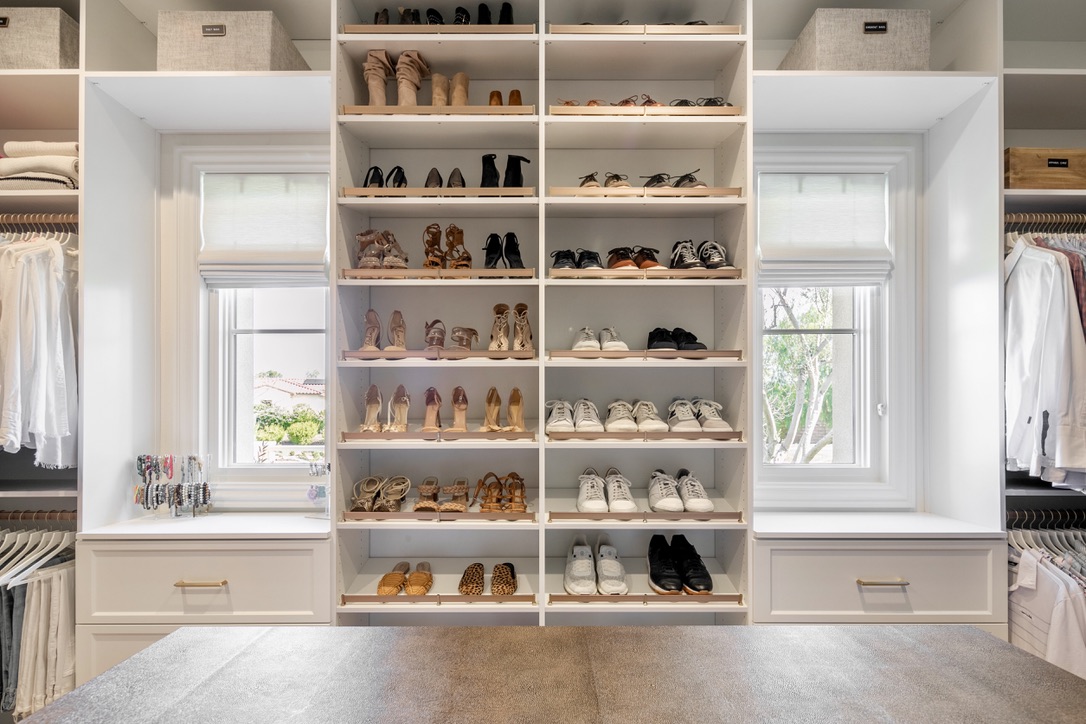
Closet organization for shoes is one of those topics that sounds simple until you are standing in front of a collection that has outgrown every solution you have tried. Shoes are bulky, varied in shape, and surprisingly difficult to store well, and the difference between a system that works and one that just takes up space comes down to a handful of decisions most people never think to ask about.
The good news is that shoe storage has come a long way, and the options available today are genuinely impressive when they are matched to the right space and collection. At The Tailored Closet, we design shoe storage solutions that make every pair visible, accessible, and beautifully displayed. Keep reading to see what that can look like in your own closet.
Why Shoe Storage Is One of the Hardest Parts of Closet Organization
Shoes present a storage challenge unlike anything else in a closet. Understanding why makes it a lot easier to approach the problem with the right solution in mind.
A Category Unlike Any Other
Clothing is relatively uniform. Shoes are anything but. Heels, sneakers, boots, sandals, loafers, and athletic shoes all have different heights, widths, and structural needs, and storing them together without a deliberate system almost always produces chaos. The sheer variety within a single collection makes shoes one of the most demanding categories a closet designer works with.
The Most Common Shoe Storage Problems
Most closets treat shoe storage as secondary, allocating whatever floor space is left after everything else has been planned. The predictable results include:
- Piled shoes that create visual clutter and make finding a specific pair genuinely frustrating
- Lost or damaged pairs buried beneath others with no protection or separation
- Delicate or high-value footwear stored alongside everyday shoes with no distinction
- Wasted vertical space that a well-planned shoe section would put to productive use
These are not random inconveniences. They are the natural outcome of a closet designed without shoe storage as a priority.
What Professional Design Does Differently
A professionally designed shoe storage system approaches a collection the way a boutique approaches its inventory, with visibility, organization, and care for each individual piece. The goal shifts from finding somewhere to put shoes to creating a system where every pair has a designated home, is easy to see, and is stored in a way that protects it. That shift in intention produces a result that feels dramatically different to use every day.
Shoe Storage Principles Designers Always Consider
Good shoe storage follows a clear set of principles, and understanding them changes how you evaluate any storage solution. Here is what designers keep in mind before making a single recommendation.
Visibility
Shoes you can see are shoes you actually wear. A storage system that obscures your collection leads to forgotten pairs and repetitive choices from whatever happens to be most visible at eye level. Designers think carefully about how much of the collection needs to be on display at any given time, because visibility directly influences how well the system gets used day to day.
Accessibility
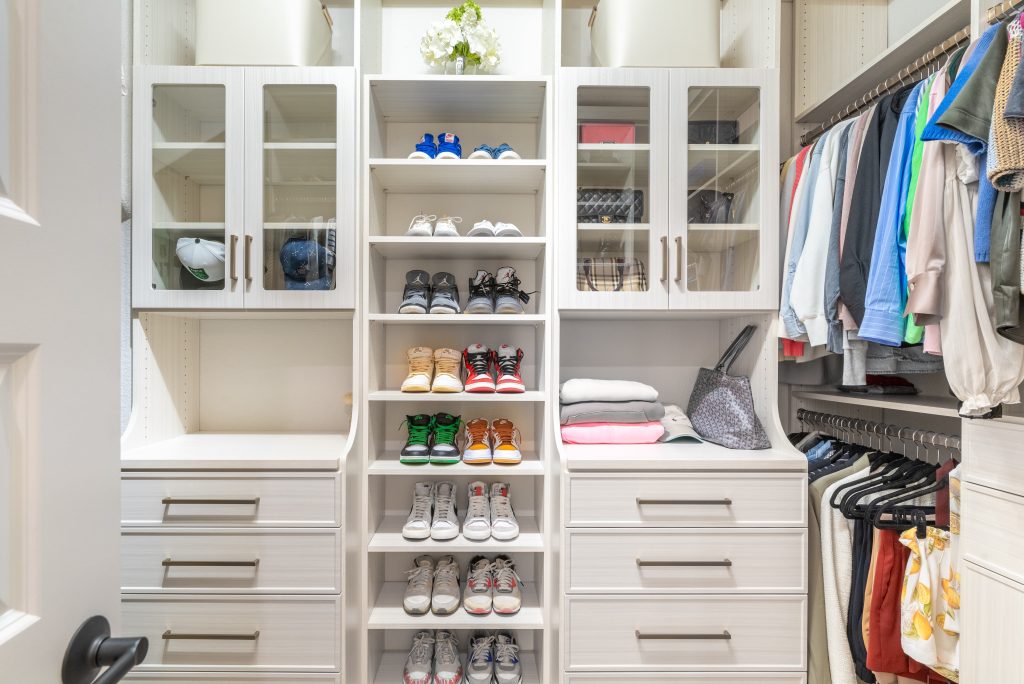
Where a shoe lives in the closet should reflect how often it gets worn. Everyday footwear belongs within easy reach, ideally at a comfortable height that requires no stretching or crouching. Occasion shoes, seasonal pairs, and backups can sit higher or in less prime real estate. That hierarchy keeps the daily routine smooth and ensures the most-used section of your shoe storage never feels crowded or hard to navigate.
Protection
The storage method has a direct impact on how long shoes stay in good condition. Improper storage can warp soles, crease leather, and cause delicate materials to deteriorate faster than they should. Designers factor in the materials and construction of your footwear when recommending storage formats, because a system that protects the collection is one that preserves your investment over time.
Space Efficiency
Shoe storage needs to work within the overall closet layout rather than compete with it. A well-planned shoe section takes full advantage of vertical space, uses wall real estate intelligently, and integrates with the surrounding components without creating bottlenecks or dead zones. Efficiency here is not about squeezing in as many pairs as possible but about finding the configuration that makes the most of what the space offers.
Longevity
A shoe storage system built for the long term prevents the overcrowding that causes damage and keeps the collection looking well-maintained. Designers plan for a collection that will grow, building in enough breathing room that adding new pairs does not immediately break the system. That foresight is what separates a solution that works for years from one that needs rethinking within a season.
Smart Ways to Display and Store Shoes
The format your shoe storage takes shapes how the entire closet looks and functions. These are the options designers reach for most, each suited to a different collection and space.
Flat Shelving for Everyday Shoes
Flat shelves are the workhorse of shoe storage. Clean, practical, and easy to scan at a glance, they work particularly well for frequently worn pairs that need to be grabbed quickly. The uniformity they create gives a closet a tidy, considered appearance even when the collection is large.
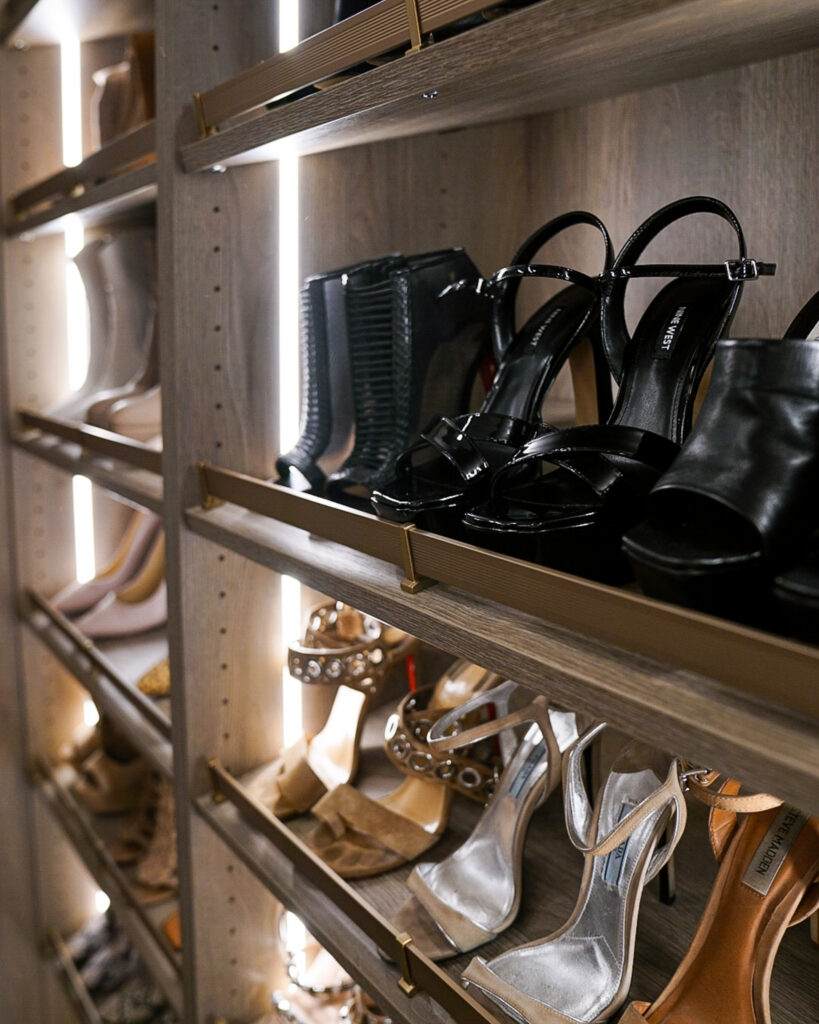
Slanted Display Shelves
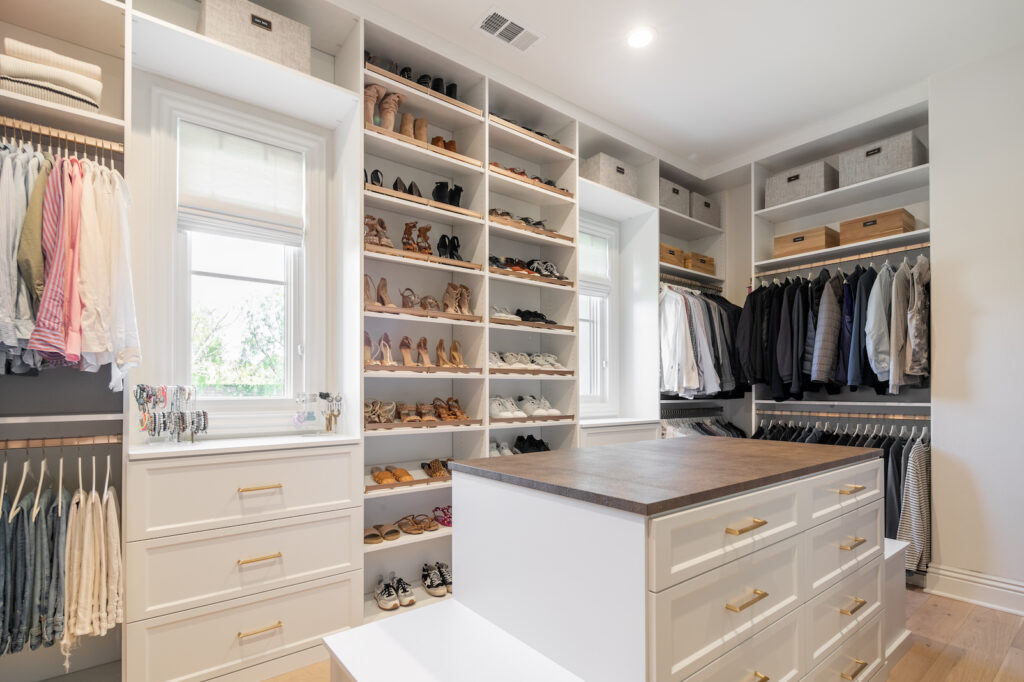
Slanted shelves tilt each pair forward at an angle, making them significantly easier to see and identify. They work especially well for heels and collectible pairs where visibility and presentation matter. The result has a boutique quality that elevates the look of the entire shoe section considerably.
Shoe Towers
Floor-to-ceiling shoe towers make exceptional use of vertical space, which is one of the most underutilized dimensions in any closet. Adjustable shelves within the tower accommodate shoes of different heights, making them a versatile option for collections that include a wide variety of footwear types and sizes.
Pull-Out Shoe Shelves
Pull-out shelves are a smart solution for walk-ins with limited wall space or tighter footprints. They keep shoes contained, protected from dust, and fully accessible with a single pull. For spaces where every inch of wall real estate is already accounted for, this format adds meaningful capacity without demanding more room.
Boot Storage Solutions
Boots require their own approach. Taller compartments keep them upright, which prevents creasing and preserves the structure of the shaft over time. Custom boot shelves eliminate the sagging that happens when boots are stored on their sides or propped against other shoes, protecting the shape and extending the life of each pair considerably.
Cubbies for Smaller Shoes and Large Collections
Cubbies offer individual compartments for each pair, which works beautifully for flats, sandals, and any collection large enough to benefit from clear separation. Each pair has a designated home, which prevents the pile-ups and mismatched pairs that tend to accumulate in open shelf systems without defined boundaries.
Glass-Front Cabinets
Glass-front cabinets bring a level of luxury to shoe storage that few other formats can match. They protect delicate and designer footwear from dust and light while keeping the collection visible behind a refined exterior. For a curated collection of high-value pairs, this format treats each shoe as the investment it actually is.
Mixed Open and Closed Storage
A combination of open display and closed storage gives a shoe section both visual impact and practical restraint. Favorite or most-worn pairs are displayed openly for easy access, while the rest are tucked behind cabinet doors. The balance keeps the closet looking intentional without sacrificing any capacity.
Integrated Lighting
LED lighting along a shoe wall changes the entire atmosphere of a closet. It improves visibility across the full collection and adds a boutique quality that makes the space feel genuinely elevated. Lighting is one of those details that reads as a finishing touch but functions as an essential component of a well-designed shoe storage system.
Matching Shoe Storage to Different Closet Types
Shoe storage looks different depending on the closet it lives in. The format that works beautifully in a spacious walk-in requires a completely different approach in a reach-in or compact space.
Walk-In Closets
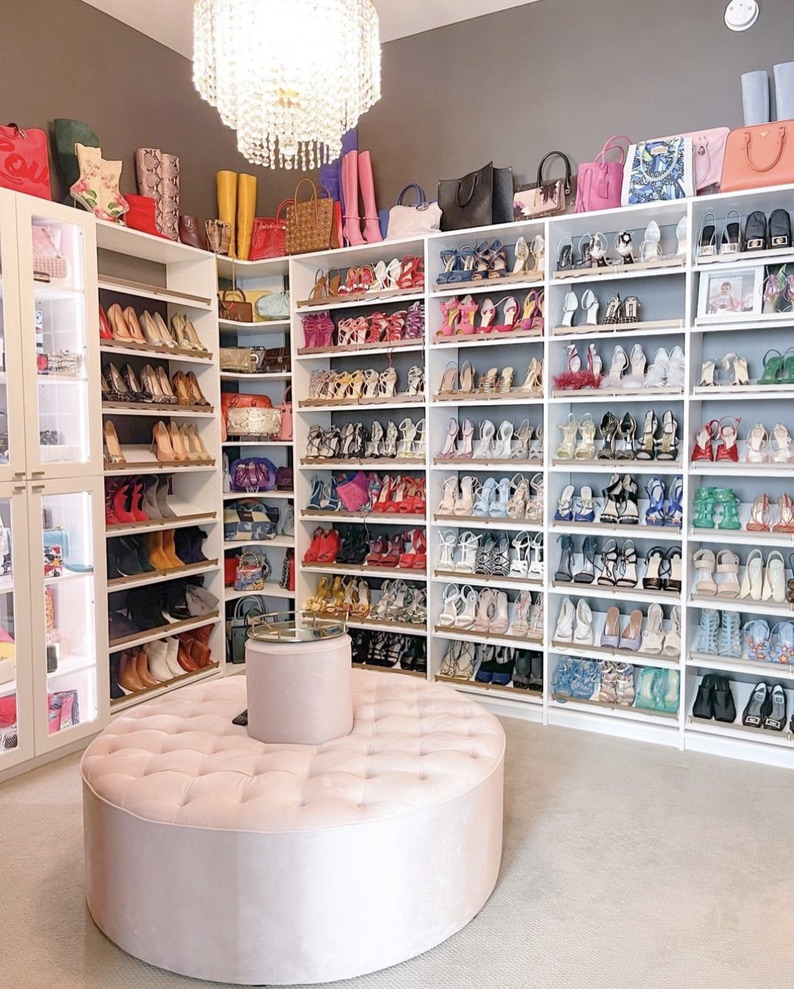
Walk-in closets offer the most flexibility for shoe storage, and designers take full advantage of it. Shoe walls, floor-to-ceiling towers, dedicated shoe zones, and even islands with shoe storage built into the base are all viable options within a generous footprint. Vertical space is particularly valuable here, and a well-planned walk-in uses every level of it intentionally, from low cubbies for everyday pairs up to higher shelving for seasonal or occasion footwear.
Reach-In Closets
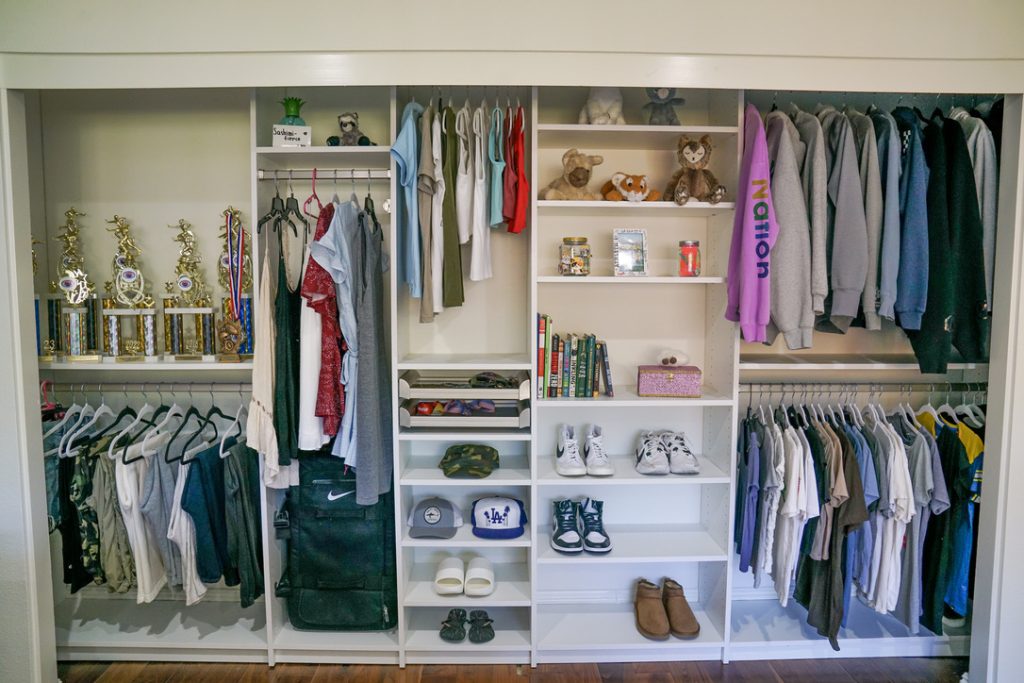
Reach-in closets demand a more disciplined approach, where every format choice carries more weight. These are the solutions that tend to perform best in compact layouts:
- Slim shoe towers that make use of vertical space without consuming much floor area
- Stacked shelving configured to keep every pair visible from the doorway
- Pull-out shelves that add depth capacity without requiring additional wall space
- Shelf depths calibrated carefully so shoes at the back remain accessible rather than hidden
In a reach-in closet, the difference between a thoughtful layout and a frustrating one often comes down to details that are easy to overlook without a trained eye guiding the decisions.
Small or Awkward Spaces
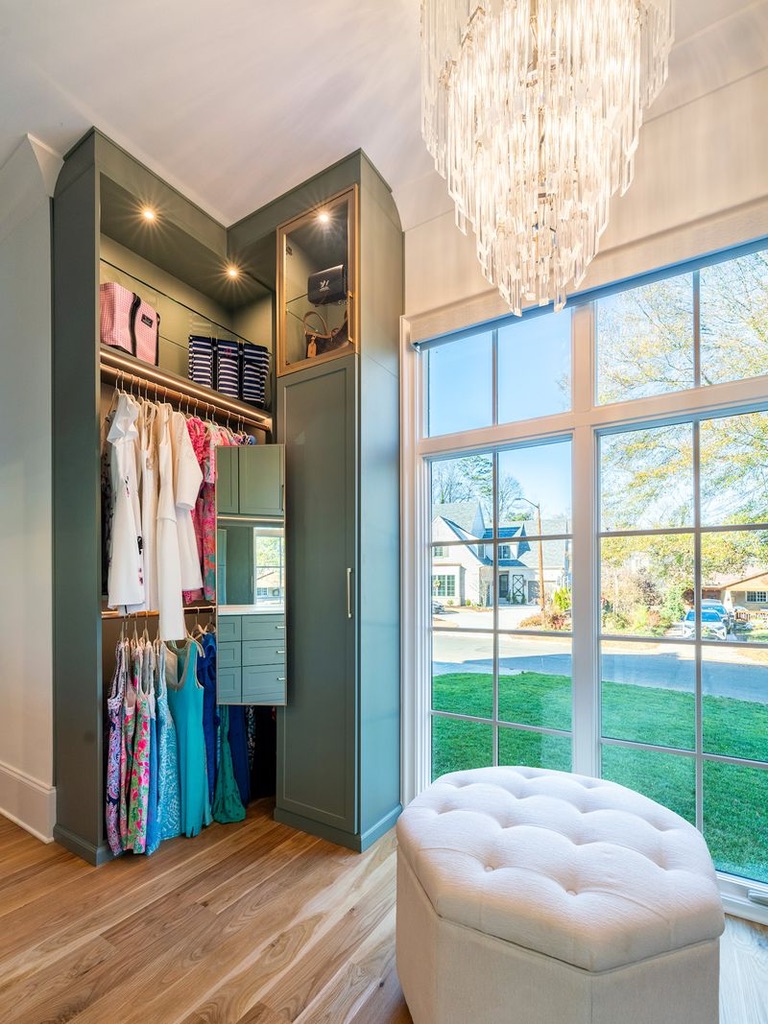
Tight or irregularly shaped spaces tend to surprise people once a professional evaluates them. Corner towers, narrow shelves tucked into overlooked wall sections, and layered storage solutions are all tools designers use to extract capacity from spaces that initially seem limited. The square footage available matters far less than how deliberately it is used, and a professional approach to an awkward space consistently finds room that the homeowner had written off entirely.
The Tailored Closet: Shoe Storage Designed Around Your Collection
At The Tailored Closet, we design shoe storage the same way we approach every custom closet project: by starting with you, your collection, your habits, and the specific dimensions of your space before making a single design decision.
What We Offer
Our shoe storage solutions cover the full range of what a well-designed closet can include. Custom shoe walls, floor-to-ceiling towers, slanted display shelves with integrated lighting, pull-outs, cubbies, dedicated boot towers, and velvet-lined accessory drawers all feature in our work. Every finish and hardware selection is made to complement the surrounding cabinetry and elevate the overall aesthetic of the space.
The Craftsmanship Behind Every Installation
Precision matters at every stage of a shoe storage project. Our installations are executed to exact specifications, ensuring every component fits, functions, and holds up through years of daily use. The quality of the build is what allows the design to perform as intended long after the installation team has left, and that durability is something we take seriously on every project we complete.
Why Homeowners Choose Us
The feedback we hear most often is that our process feels thorough in a way that produces results people did not expect from their space. Here is what tends to matter most:
- Designers who assess wardrobe, lifestyle, and spatial needs rather than just taking measurements
- Solutions calibrated to both aesthetic preferences and practical daily needs
- Local experts who bring a boutique level design experience directly into the home
That combination of personalization and craftsmanship is what makes the finished result feel genuinely different.
Your Shoe Collection Deserves a Home That Was Built Around It
Closet organization for shoes requires more than finding a spare shelf and hoping for the best. From visibility and accessibility to protection and space efficiency, the details behind a well-designed shoe storage system have a real impact on how the finished closet looks and how smoothly your daily routine runs. The format, the placement, and the design all work together to produce a result that either serves your collection or falls short of it.
Getting it right is a process worth investing in. A shoe storage system built around your specific collection, closet type, and lifestyle makes a difference you will notice every single morning. Contact The Tailored Closet today to schedule your free consultation and let’s design something your entire wardrobe deserves.
Closet Organization for Shoes FAQs
What is the best closet organization for shoes if I have a large collection?
Large collections benefit most from a combination of formats. Shoe walls with floor-to-ceiling shelving maximize vertical capacity, while towers and cubbies handle specific categories like boots or sandals. The key is organizing by frequency of use so everyday pairs stay accessible and the full collection remains visible. A system designed around the actual size and variety of your collection performs significantly better than any single format alone.
How do I stop my shoes from getting damaged in storage?
Damage usually comes from overcrowding, improper support, or exposure to dust and light over time. Boots need upright storage to prevent shaft creasing. Heels benefit from slanted or individual shelving that keeps them stable. Delicate or designer pairs do well behind glass-front cabinet doors. The common thread is giving each shoe enough space and the right kind of support for its specific shape and material.
How much space does a shoe wall actually require?
It depends on the collection size and the shelf configuration, but a meaningful shoe wall can be achieved in as little as a few feet of wall space when vertical height is used well. Floor-to-ceiling shelving dramatically increases capacity without expanding the footprint. A designer evaluates your available wall space alongside your collection to determine what format delivers the most storage within the dimensions you actually have.
How does The Tailored Closet approach shoe storage differently from standard solutions?
We design around your specific collection, closet dimensions, and daily habits rather than offering a general solution and hoping it fits. That means the shelf heights, formats, and configurations are chosen based on what you actually own and how you use it. The result is a shoe storage system that integrates seamlessly into your closet and performs exactly as designed from the first day you use it.
Can The Tailored Closet build a floor-to-ceiling shoe wall in my closet?
Yes, and it is one of our most requested features. Floor-to-ceiling shoe walls make exceptional use of vertical space and transform the look and capacity of a closet significantly. Our designers evaluate your wall dimensions, ceiling height, and collection size before recommending a configuration, ensuring the finished shoe wall fits the space precisely and accommodates your footwear the way it deserves to be stored.
