
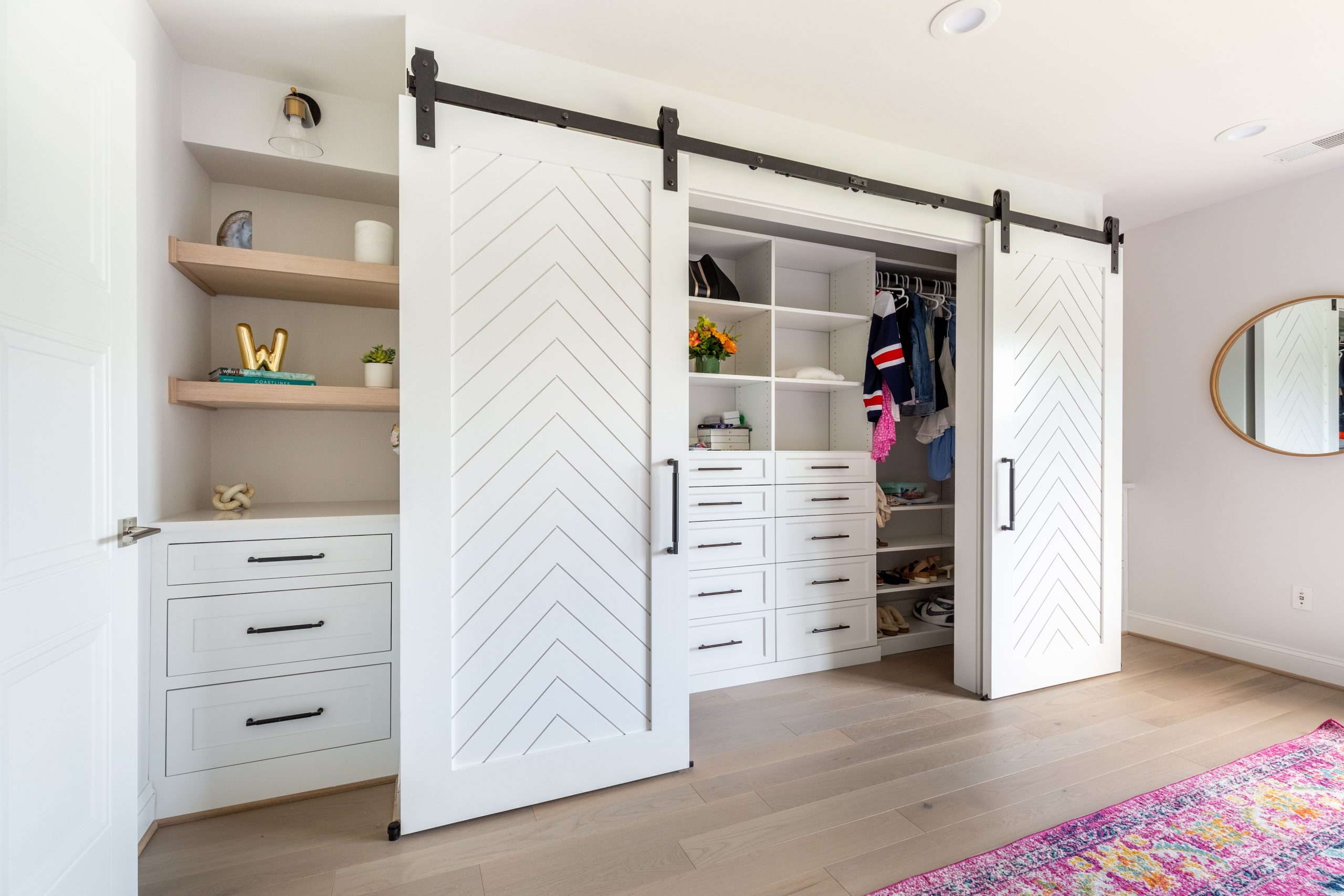
The best closet design ideas for small walk-ins have one thing in common—they make you forget the space was ever limited in the first place. With the right approach, a small walk-in closet can become one of the most satisfying spots in your entire home.
The secret lies in working with your space rather than against it. From floor-to-ceiling storage to clever layout tricks that free up every last inch, there’s a lot more potential hiding in that small footprint than you might think.
The First Step No One Tells You About Small Closet Design
Before a single shelf goes up or a single hanger gets hung, the most important work happens on paper. A little planning upfront saves a lot of frustration down the road, and it’s what separates a closet that functions beautifully from one that just looks good in photos.
Measure and Map Every Inch
Grab a tape measure and get precise. Width, depth, ceiling height—all of it matters. Pay close attention to dead zones, those awkward corners and tight spots that tend to swallow space without giving anything back. Door swing clearance is another easy thing to overlook at this stage, and it can significantly impact how much usable floor space you’re actually working with.
A helpful mental framework is to think in vertical thirds: the top zone for seasonal or rarely used items, the middle zone for everyday essentials, and the lower zone for shoes, bins, or folded goods. That simple breakdown alone can bring a lot of clarity to an otherwise overwhelming process.
Design Around Your Wardrobe (Not a Template)
This is where a lot of people go wrong; they pick a layout that looks great and then try to make their wardrobe fit it. A closet that works for your life starts with an honest look at what you actually own and how you use it.
Consider your ratio of long-hang to double-hang clothing. A wardrobe heavy on dresses and coats needs a very different configuration than one built around folded basics and separates. From there, think about shoe volume, as it’s one of the biggest drivers of storage decisions in any walk-in. Accessories, jewelry, and bags deserve their own dedicated spots too, because when they don’t have one, they tend to take over everywhere else.
Seasonal rotation is worth thinking through as well:
- Frequent-access zones should be front and center, at eye and arm level
- Off-season items can live higher up or in deeper storage
- Transitional pieces benefit from flexible, adjustable shelving that can shift with the seasons
A thoughtful wardrobe audit before you design means your closet grows around your actual life, and that’s when a space truly starts to feel like yours. This is also where a free in-home consultation can be a genuine game-changer, giving you professional eyes on your space and your specific needs before any decisions are made.
Choose a Layout Type
The shape of your walk-in plays a huge role in how well it functions day to day, and the good news is there are solid options for every footprint.
A single-wall layout runs all storage along one wall and works well in very narrow or entry-style walk-ins where width is limited. It keeps things streamlined and easy to navigate.
An L-shaped layout opens up the design possibilities considerably, wrapping storage around two walls and creating natural zones for different clothing categories. It’s a comfortable middle ground for moderately sized walk-ins.
A U-shaped layout is widely considered the most efficient option for small walk-ins because it maximizes every wall and creates a natural flow around the perimeter. When the square footage is tight, this configuration tends to deliver the most storage per inch.
A narrow galley-style layout lines both facing walls with storage and works beautifully in long, slim spaces.
Ready to stop guessing and start planning with confidence? Schedule your free in-home consultation with The Tailored Closet and get expert guidance tailored to your exact space!
5 Small Walk-In Closet Ideas for Every Kind of Lifestyle
A well-designed closet isn’t just about square footage—it’s about understanding the person using it. The same small walk-in can function completely differently depending on who’s living in the home and what their daily routine looks like. That’s exactly why lifestyle-driven design is one of the most valuable approaches you can take when planning your space. When your closet is built around how you actually live, everything about it works better.
1. For Couples: A Closet That Works for Two
Sharing a small walk-in closet with a partner is one of those things that sounds simple until it isn’t. The solution is smarter zoning. Dividing the closet into two clearly defined sides gives each person ownership over their area while keeping the shared space feeling organized and fair.
Start by assessing each person’s wardrobe separately. One partner may need significantly more long-hang space for dresses or suits while the other works primarily with folded items and separates. Designing each side around those individual needs means the closet serves both people equally rather than defaulting to whoever unpacked first.
A few details that make a shared small walk-in run smoothly:
- Separate drawer towers for each person to keep folded items contained
- A shared center island or bench if floor space allows, offering a neutral zone for everyday items
- Consistent finishes throughout so the two sides feel cohesive rather than divided
The goal is a closet that feels collaborative and considered, where both people can get ready without getting in each other’s way.
2. For Shoe and Sneaker Collectors: Display Meets Protection
For anyone with a serious shoe collection, the closet is essentially a gallery. The challenge in a small walk-in is balancing display with protection, because shoes that are beautifully displayed but poorly stored won’t stay beautiful for long.
If your collection is extensive, think vertically. Floor-to-ceiling shoe shelving along a single wall can house an impressive number of pairs without consuming the entire closet. Pull-out shoe racks are another smart addition, letting you store pairs deeper in the cabinet while still keeping every shoe accessible.
3. For Minimalists: Clean Lines and Calm Spaces
A minimalist approach to a small walk-in closet is less about having fewer things and more about making sure everything has a proper, concealed home. Open shelving with a curated selection of folded items can look intentional and calm. Closed cabinetry that hides the bulk of the wardrobe keeps the visual noise low and the space feeling serene.
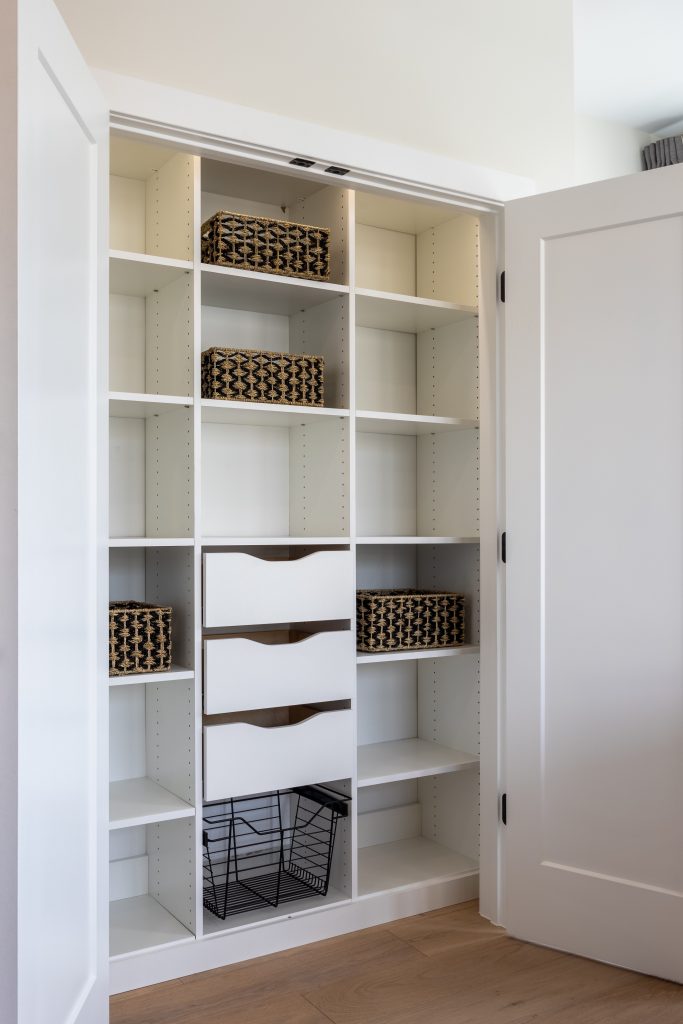
Color consistency matters here more than anywhere else. Matching hangers, a single cabinetry finish, and hardware in one cohesive metal tone all contribute to that sense of quiet order that minimalists are drawn to. Push-to-open cabinet doors are worth considering too, eliminating visible hardware altogether for the cleanest possible look.
4. For Families: A Closet That Grows With Your Kids
When children are part of the picture, a small walk-in closet needs to be as functional for little hands as it is for adult ones. Tiered hanging rods are one of the most practical solutions available, placing a lower rod within easy reach of younger children so they can independently select and return their own clothes. That small shift alone can make a meaningful difference in a busy morning routine.
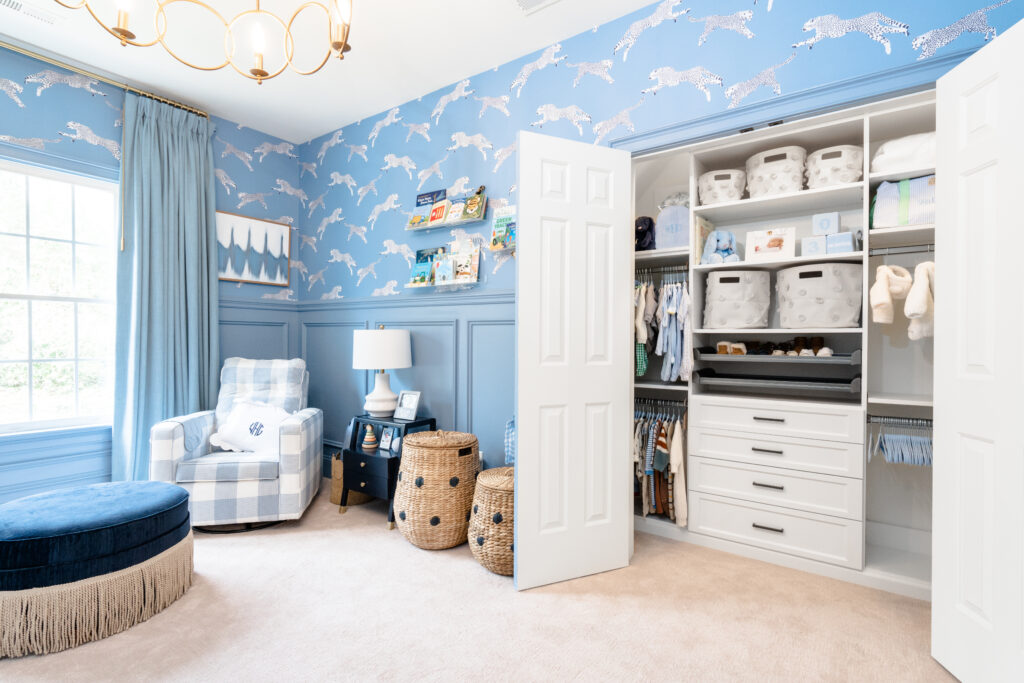
Adjustable shelving is worth prioritizing in a family closet because children’s storage needs change quickly. What works for a five-year-old looks very different from what a twelve-year-old needs, and a system that can adapt over time saves the expense and disruption of a full redesign every few years.
Bins and labeled baskets on lower shelves give kids a visual and accessible home for folded items, shoes, and accessories. Keeping their section of the closet intuitive and easy to navigate encourages independence and, with any luck, a tidier space for everyone.
5. For Professionals: A Closet Built Around a Polished Routine
A professional wardrobe has specific demands, and a small walk-in designed around those demands can make the difference between a stressful morning and a seamless one. Valet rods are one of the most underrated features in a professional’s closet, offering a pull-out spot to lay out tomorrow’s outfit the night before without taking up permanent space.
Dedicated accessory drawers keep ties, belts, cufflinks, and jewelry organized and immediately accessible. Velvet-lined jewelry drawers add a layer of protection for finer pieces and bring a sense of order to accessories that often end up scattered across a dresser or nightstand.
For a wardrobe built around suits, blazers, and structured pieces, long-hang space is a priority. Pairing that with a section of double-hang rods for shirts and trousers, plus a dedicated drawer system for folded items, creates a complete and efficient setup that supports a professional routine from the first alarm to the final mirror check.
Integrated lighting is especially valuable in a professional’s closet. Being able to clearly distinguish navy from black at six in the morning is a small thing that makes a very real difference on a daily basis.
The Right Design Details Make All the Difference in a Small Walk-In
Every well-designed closet has a layer that goes beyond storage, one that turns a practical space into one that feels personal, polished, and genuinely enjoyable to use. In a small walk-in, design can matter more than you might expect.
Glass-inset cabinet doors for visibility and refinement
Glass-inset cabinet doors bring a quiet sophistication to any closet, and in a small walk-in, they do double duty. Visually, they open up the space by breaking the visual weight of solid cabinetry. Practically, they let you see exactly what’s inside without opening a single door. For anyone who’s ever lost track of a handbag or a stack of folded sweaters behind a closed cabinet, that visibility alone is worth it. You can pair them with a clean, coordinated interior for a truly curated effect.
Decorative Hardware as a Personal Signature
Hardware is one of the smallest decisions in a closet design and one of the most impactful. Drawer pulls, cabinet handles, and rod finishes are the jewelry of the space. Brushed gold reads warm and editorial. Matte black feels sleek and modern. Polished nickel stays timeless. Whatever direction suits your style, consistent hardware throughout the closet creates a cohesion that makes the whole design feel intentional.

Coordinated Finishes That Connect Your Closet to Your Home
A closet that feels like an extension of your home’s interior rather than a separate afterthought is a closet that adds real value. Finish selection plays a huge role in that. Whether your home leans toward warm wood tones, cool whites, or something more textured and layered, your cabinetry finishes should echo that language. A well-coordinated closet feels larger and more intentional because every element belongs. That sense of harmony is something you feel immediately when you walk in.
Integrated Lighting That Changes Everything
Lighting is arguably the single most transformative detail in a small closet, and it tends to be one of the last things people budget for. Integrated lighting inside cabinets eliminates the shadowy corners that make a space feel cramped and hard to use. Lighting positioned above shoe racks turns a practical storage area into something closer to a display. In a small walk-in, well-placed lighting adds perceived depth, warmth, and a sense of spaciousness that no square footage can manufacture on its own. If you invest in one upgrade beyond the core storage system, make it the lighting.
Full-Length Mirrors and Hidden Ironing Boards
A full-length mirror inside a walk-in closet is both a practical essential and a design asset. It makes the space feel larger, adds light, and keeps your getting-ready routine contained in one room. Pull-out ironing boards built into cabinetry take that convenience further, tucking away completely when not in use so they never interrupt the clean lines of the design.
The Tailored Closet Way — Custom, Local, and Built to Last
Some projects you can figure out as you go. A small walk-in closet that you want to love for the next ten years isn’t one of them. At The Tailored Closet, we bring the kind of expertise that takes the guesswork completely off your plate. We’ve helped countless homeowners unlock real potential in spaces they once wrote off, and we do it through a process that’s personal, precise, and built entirely around you. From the first consultation to the final installation, every step is handled with the care and craftsmanship your home deserves.
Every Design Is Built Around You
No two closets we design look the same, and that’s entirely intentional. Your wardrobe, your habits, your taste, and your home’s existing style all inform the direction we take. Our designers work through every detail with you, from materials and finishes to accessories and hardware, so the result feels like a natural extension of your home rather than something that was simply installed in it. Custom means exactly that—a design made specifically for you, from the first conversation to the final reveal.
Quality That’s Built to Last
We take a great deal of pride in the caliber of work we deliver. Our custom cabinetry solutions are built with longevity in mind, using quality materials and construction that holds up beautifully over time. From the initial design concept through to final installation and cleanup, our team of trained professionals handles every step with care and attention to detail. When we leave, your space is exactly as it should be: beautiful, functional, and completely ready to use.
From the First Consultation to the Final Install
The process of working with us is designed to feel easy and enjoyable from start to finish. It begins with a free in-home consultation where we come to your space, take a close look at what you’re working with, and start shaping a design that fits your vision. From there, our team handles everything: design, sourcing, installation, and the final walkthrough to make sure you’re completely satisfied. You bring the vision. We’ll bring everything else.
Begin With Your Free Consultation
A small walk-in closet has far more potential than its square footage suggests. With smart layout planning, storage solutions designed around your actual wardrobe, and design details that bring personality and polish to every corner, a compact space can become one of the most functional and enjoyable rooms in your home.
The difference between a closet that frustrates and one that genuinely works comes down to thoughtful planning and the right team behind it. Every detail matters, and every inch counts.
Schedule your free in-home consultation with The Tailored Closet and let’s design a small walk-in closet that’s built around your life, your style, and your space.
FAQs
How do I make the most of a small walk-in closet without it feeling cluttered?
The key is intentional zoning. Divide your closet into clear sections based on how you actually get dressed—everyday essentials at eye level, occasional pieces higher up, and shoes and folded items lower down. Vertical storage is your best friend in a compact space. Think floor-to-ceiling shelving, double-hang rods where your wardrobe allows, and dedicated spots for accessories so nothing ends up piled on a shelf with nowhere to belong.
Is a U-shaped layout really the best option for a small walk-in?
For most small walk-ins, yes. A U-shaped layout wraps storage around three walls, which means you’re using every available surface efficiently. It creates natural zones for different clothing categories and keeps everything within easy reach. That said, the right layout depends on your specific dimensions and how you use the space. A very narrow closet might work better as a galley style, and a single-wall setup can be surprisingly effective in an entry-style walk-in.
What happens during The Tailored Closet’s free in-home consultation?
The consultation is a relaxed, in-person conversation about your space and your needs. One of our designers comes to your home, takes measurements, looks at the existing layout, and gets to know how you use the closet day to day. From there, we’ll begin shaping a design around your wardrobe, your style preferences, and your goals for the space.
How long does a custom small walk-in closet installation typically take?
For most small walk-in closets, the installation process is relatively quick. The timeline from consultation to completed install varies depending on the complexity of the design and material lead times, but many projects move from final design approval to installation within a few weeks.
Can The Tailored Closet help with more than just closets?
Yes, our expertise extends well beyond closets. The Tailored Closet designs and installs custom storage solutions for pantries, home offices, entryways, and more. If you have a space in your home that feels disorganized or underutilized, there’s a good chance a custom storage solution can transform it. Many homeowners find that after completing a closet project, they want to bring that same level of thoughtfulness to other rooms in the house.
