

The moment you walk through your front door sets the tone for everything that follows. Shoes, bags, jackets, and everyday essentials all pass through this space, and without a clear system, things can quickly feel scattered. A well-organized entry area brings structure, making your home feel more welcoming from the very first step inside.
Mudrooms and entryways play a bigger role than most people realize. When these spaces are thoughtfully designed, they help contain clutter, simplify routines, and keep the rest of your home running smoothly. With the right ideas in place, even the busiest households can feel more put together—and it all starts right at the door.
Why Mudrooms and Entryways Get Cluttered So Quickly
Your entryway is one of the busiest areas in your home, and that constant movement naturally brings a steady flow of items with it. Every time you come and go, something gets added—shoes, jackets, bags, keys, or mail. Without a clear system in place, these items tend to settle wherever there’s room, creating a buildup that can feel overwhelming faster than expected. Once you understand the patterns behind it, the clutter starts to make a lot more sense.
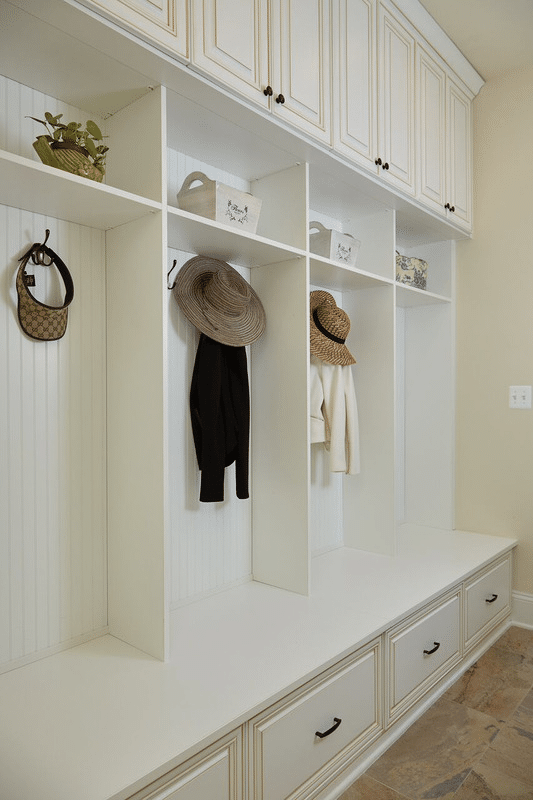
The High-Traffic Nature of Entryways
Entryways and mudrooms handle constant activity throughout the day. Mornings often bring a rush to get out the door, while evenings involve unloading everything you’ve carried with you. With so much movement happening in a short amount of time, there’s little opportunity to pause and organize. This steady flow of activity makes these spaces especially sensitive to how well they’re designed. When storage feels easy to use, it naturally becomes part of your routine. When it doesn’t, items tend to accumulate quickly and create visual clutter.
Multiple Types of Items Converging in One Space
Few areas in your home hold as many different types of items as your entryway. Shoes, coats, backpacks, handbags, keys, and mail all compete for space, each with its own storage needs. Without a system that accounts for these differences, things can start to overlap and feel disorganized.
- Shoes and outerwear: These are often the first items removed when you walk in, and they require accessible, durable storage.
- Everyday essentials like bags and keys: These need designated spots that are easy to reach on your way in and out.
- Mail and miscellaneous items: These tend to pile up quickly without a clear place to sort or store them.
When these categories don’t have defined zones, they naturally spread out across any available surface.
The Lack of Defined Storage Zones
Many homes rely on general storage in entryways—an open bench, a small table, or a single rack. While these can help, they often don’t provide enough structure to keep things consistently organized. Without clearly defined areas for specific items, it becomes harder to maintain order over time.
Defined storage zones bring clarity to the space. When each category of item has a designated place, it’s easier to put things away and find them again later. This kind of structure supports everyday habits and helps prevent clutter from building up.
The “Drop Zone” Effect
Entryways often become informal drop zones where everything lands as soon as you walk through the door. It’s a natural response to a busy day, placing items down quickly and moving on. Over time, though, this habit creates layers of clutter that can be difficult to manage.
- Surfaces fill up first — Tables, benches, and countertops tend to collect items before anything else.
- Items get mixed together — Without separation, everyday essentials blend with less frequently used items.
- Clutter becomes part of the routine — When there’s no clear system, the cycle continues day after day.
This pattern builds gradually, often without you noticing until the space feels crowded.
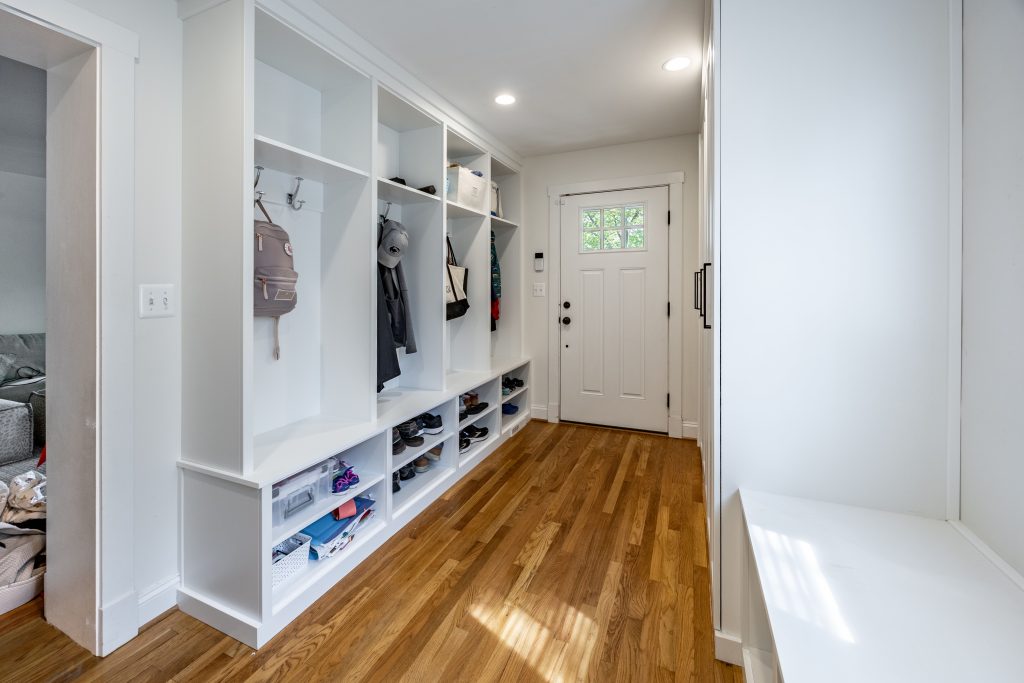
Clutter as a Result of Missing Structure
Clutter in entryways and mudrooms doesn’t happen randomly. It’s usually a sign that the space hasn’t been set up to support the way it’s used. When structure is introduced, through thoughtful storage, clear zones, and easy-to-maintain systems, the entire space starts to function more smoothly.
With the right foundation in place, your entryway can shift from a source of stress to a space that helps you stay organized from the moment you walk in.
The 5 Most Common Mudroom Design Missteps
Entryways and mudrooms work hard every single day, which means even small design oversights can have a noticeable impact over time. When a space isn’t set up to support how it’s actually used, clutter tends to build and routines feel less efficient.
These challenges are incredibly common and often come down to how the space is planned. Once you recognize them, it becomes much easier to create an entryway that feels organized, functional, and welcoming.
1. Relying on Temporary or Standalone Storage Solutions
It’s easy to start with quick storage fixes like shoe racks, small benches, or baskets. These solutions can help in the moment, especially when you’re trying to get organized quickly. Over time, though, they often lack the structure needed to keep everything in order. Items shift around, surfaces fill up, and the space begins to feel inconsistent.
A more integrated approach creates stability. Storage that’s designed for the space allows everything to work together, helping your entryway feel more cohesive and easier to maintain.
2. Lack of Defined Zones Leading to Clutter Buildup
When there aren’t clear areas for specific items, everything tends to blend together. Shoes, coats, bags, and everyday essentials end up sharing the same surfaces, making it harder to keep things organized. This lack of definition can quickly lead to clutter, especially in a space that’s used frequently.
Defined zones bring clarity and ease. When each item has a designated place, it becomes much simpler to put things away and keep the space looking tidy. This structure supports your daily routine and helps prevent buildup before it starts.
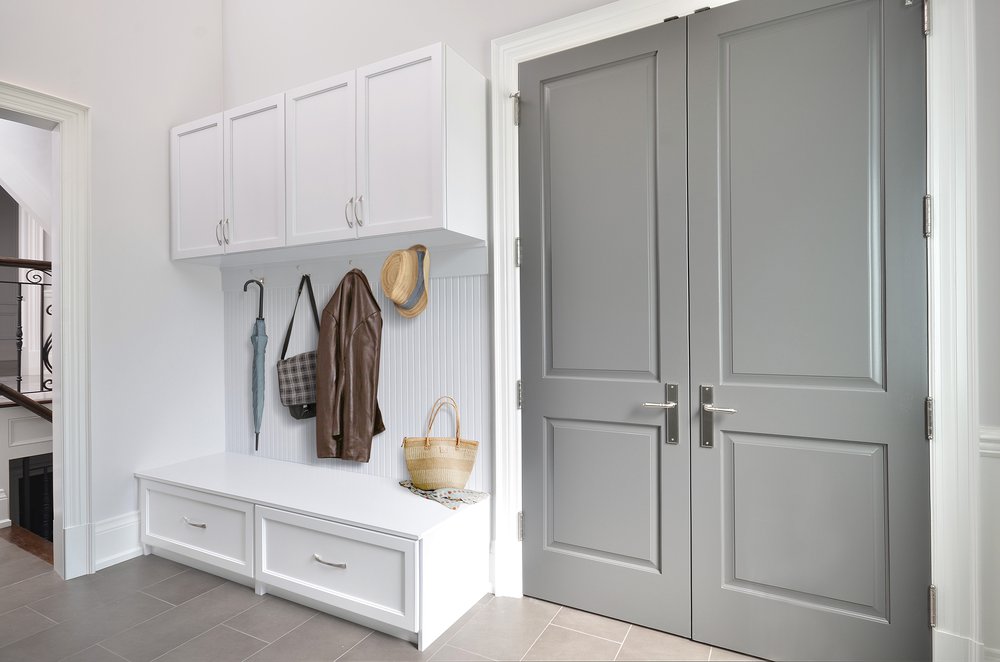
3. Overcrowding the Space Without Structure
Adding more storage might seem like the best way to handle clutter, though without a clear plan, it can make the space feel crowded. Too many elements competing for attention can reduce functionality and make it harder to move through the area comfortably.
A well-planned layout focuses on balance. When storage is designed with intention, it supports the space instead of overwhelming it. This creates an environment that feels open, organized, and easy to use.
4. Ignoring How Many People Use the Space Daily
An entryway used by one person will function very differently from one used by a busy household. When storage doesn’t reflect how many people are coming and going, it can quickly fall short. Items begin to overlap, and shared spaces feel harder to manage.
Designing with your household in mind helps create a more personalized and effective setup. When everyone has a place for their belongings, the space feels more organized and easier to maintain throughout the day.
5. Choosing Aesthetics or Functionality Without Balance
It’s natural to want your entryway to look beautiful, especially since it’s one of the first areas you see when you walk in. At the same time, it needs to handle daily use and keep things organized. When design choices lean too heavily in one direction, the space can feel incomplete.
Bringing together both visual appeal and practical function creates a more satisfying result. Materials, finishes, and layout can all work together to support your needs while still enhancing the look of your home.
How These Design Oversights Affect Your Space
These common patterns often build gradually, shaping how your entryway feels over time. Without thoughtful planning, even a small space can start to feel tighter and more difficult to manage. With the right approach, that same space can feel open, efficient, and welcoming every time you walk through the door.
Why Custom Cabinetry Makes Entryways Work Better
As you start to look at your entryway with fresh eyes, it becomes clear how much this space influences your daily routine. It handles constant movement, multiple types of items, and the transition between indoors and outdoors. With so much happening in one area, thoughtful design plays a key role in how well it functions. Custom cabinetry brings a level of structure and intention that helps your entryway feel more organized, more durable, and easier to use every day. Think about custom reach in closets orange county and how this cabinetry is important as y ou interface with it daily.
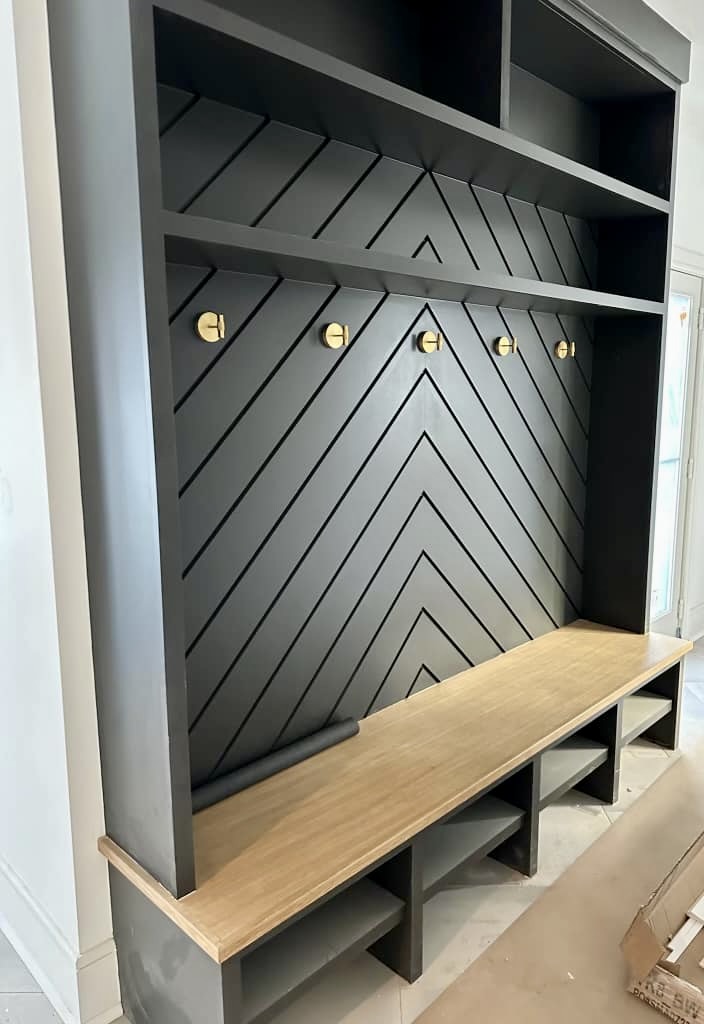
The Limitations of Generic Storage in High-Traffic Areas
Many entryways rely on simple, off-the-shelf storage pieces to manage everyday items. While these can be helpful at first, they often don’t account for the unique layout of your space or the volume of use it sees. Over time, gaps in functionality begin to show—items don’t quite fit, surfaces fill up quickly, and the space starts to feel less efficient.
High-traffic areas benefit from storage that’s designed with purpose. When your entryway is set up to handle daily activity, it becomes easier to maintain order and keep everything in its place.
How Custom Cabinetry Adapts to Your Space and Lifestyle
Every home has its own layout, and every household has its own routines. Custom cabinetry brings these two elements together, creating storage that feels tailored to how you live. Whether you need more room for shoes, dedicated areas for bags, or a better system for coats and accessories, the design reflects your specific needs.
This level of personalization makes a noticeable difference in how your entryway functions. You can move through the space naturally, knowing exactly where everything belongs. Over time, that consistency helps maintain a sense of order without extra effort.
Designing for Durability, Organization, and Long-Term Use
Entryways see constant use, which means materials and construction need to hold up over time. Custom cabinetry is designed with durability in mind, using quality materials and thoughtful construction methods that support everyday wear and tear.
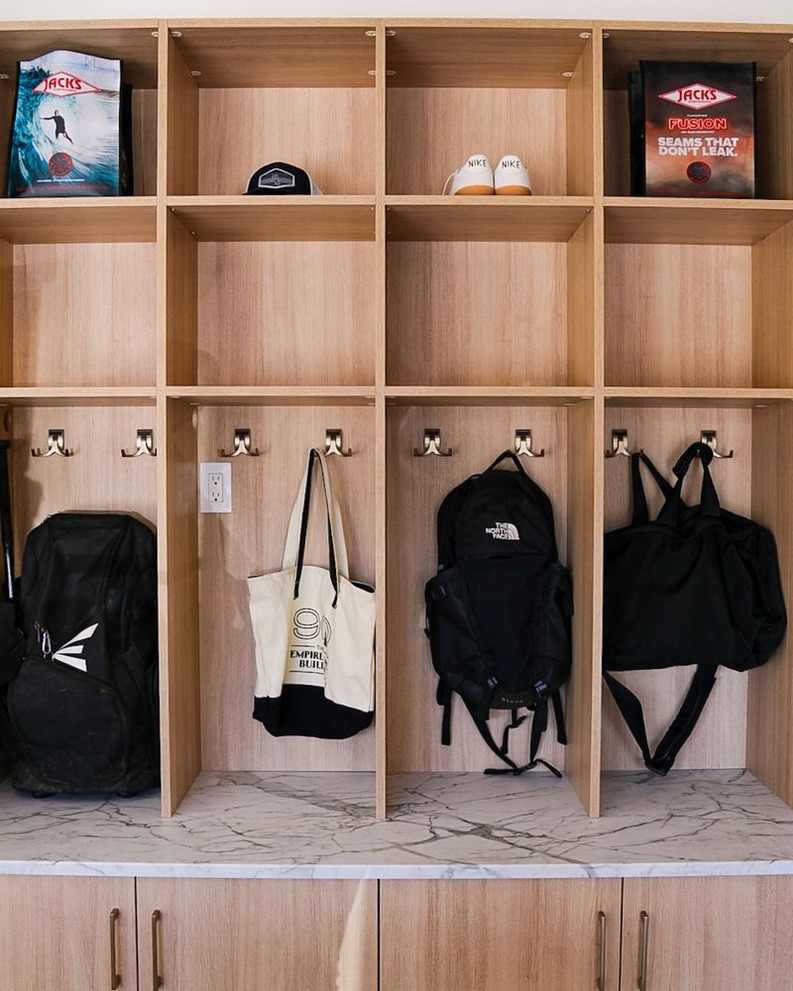
At the same time, organization is built directly into the design. Compartments, shelving, and storage features are planned to keep items contained and accessible. This combination of durability and structure creates a space that continues to perform well, even as your needs evolve.
Why Professionally Designed Mudrooms Perform Better
A professionally designed entryway takes into account details that are easy to overlook. Measurements, layout, material selection, and daily usage patterns all come together to shape the final result. This level of attention helps ensure that your space works well in real life, supporting your routine in a consistent and reliable way.
With expert design, your entryway becomes more than a place to drop your belongings. It becomes a space that supports your day from the moment you walk in, helping your home feel more organized, more functional, and more enjoyable to live in.
Our Approach at The OC Tailored Closet
When you think about improving your entryway, you’re really thinking about improving how your home feels every single day. That’s where we come in. At The OC Tailored Closet, we bring together functionality, thoughtful design, and skilled craftsmanship to create spaces that truly support your routine. We focus on building solutions that feel natural to use, look beautiful in your home, and hold up to everyday life.
Designing Entryways Around Your Daily Life
We start by understanding how your entryway actually works for you. Every household has its own rhythm, and your space should reflect that. By learning how you move through your day, we can design layouts that reduce clutter right at the source and make organization feel effortless.
Our process is collaborative from beginning to end, so you always feel confident in the direction of your project.
- We listen first
We take the time to understand your routines, challenges, and goals for the space. - We design with intention
Every layout is planned to improve flow, accessibility, and overall ease of use. - We guide you through the process
From consultation to installation, we keep everything clear, smooth, and well-coordinated.
Customization That Fits Your Home and Your Household
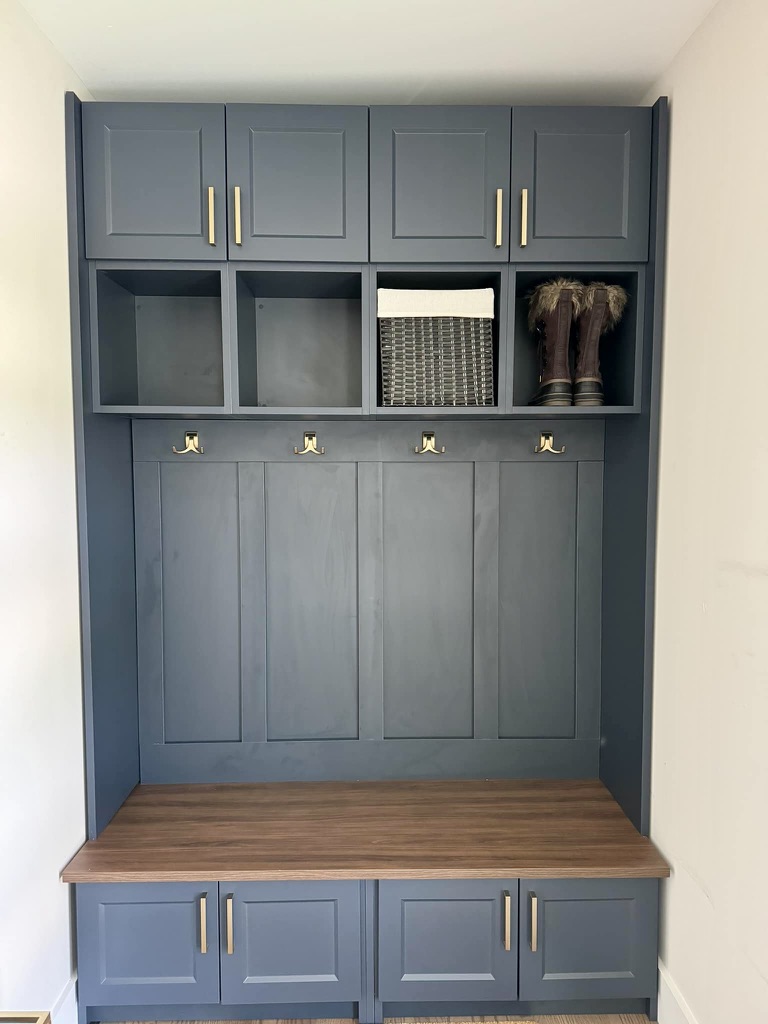
Your entryway should feel like it was made for you, because it is. We design tailored configurations that work for households of all sizes, whether you need dedicated spaces for each family member or a more streamlined setup. Every detail is considered, from how much storage you need to how it will be used throughout the day.
We also make sure your storage blends seamlessly with the style of your home. With a range of design options, finishes, and materials, your entryway becomes a natural extension of your space. Professional installation ensures everything is built with precision, giving you a result that feels solid, reliable, and ready for long-term use.
Expertise That Extends Throughout Your Home
Our experience goes far beyond a single space. We design and build custom solutions for closets, pantries, home offices, and more, creating consistency and flow throughout your home. This broader perspective allows us to approach each project with a deeper understanding of how your spaces connect.
A More Organized, Streamlined Home
When your entryway is thoughtfully designed, it has a ripple effect on the rest of your home. You walk in to a space that feels calm and organized, and that sense of order carries through your daily routine. Everything has its place, your space feels easier to maintain, and your home flows more smoothly from one area to the next.
Ready to Transform Your Entryway?
A well-designed entryway has the power to shape how your entire home feels. When mudrooms and entryways are thoughtfully planned, they help manage daily routines, reduce clutter, and create a smoother flow from the moment you walk in. With the right structure in place, even the busiest households can feel more organized, functional, and easy to maintain.
If you’re ready to experience that difference in your own home, we’re here to help. Schedule your free in-home consultation and take the first step toward a space that feels more streamlined, welcoming, and designed around your life.
Mudrooms and Entryways FAQs
How can I keep mudrooms and entryways organized on a daily basis?
The key is creating simple systems that are easy to follow every time you walk in the door. When items like shoes, bags, and keys have clearly defined places, it becomes second nature to put them away. Keeping frequently used items within reach also helps maintain consistency. Over time, these small habits make a big difference and help your entryway stay organized without needing constant attention.
How do I design an entryway for a busy household?
Start by thinking about how many people use the space and what they bring in each day. When each person has a designated area for their belongings, it helps reduce overlap and confusion. Storage that is easy to access encourages everyone to use it consistently. A thoughtful layout can make even a busy entryway feel more manageable and help keep the rest of your home more organized.
How does The OC Tailored Closet design an entryway that fits my daily routine?
We take time to understand how you move through your day, from when you leave in the morning to when you return home. That helps us create a layout that supports your habits, with storage placed exactly where you need it. By focusing on your routine, we design a space that feels natural to use and easy to maintain over time.
What can I expect during the design and consultation process with The OC Tailored Closet?
We start with a conversation about your space, your needs, and what you would like to improve. From there, we take measurements and begin developing a layout that fits your home and lifestyle. We keep the process collaborative, so you are involved in key decisions along the way. Our goal is to make everything feel clear, comfortable, and tailored to you.
Can you create solutions for both small and large entryways?
Yes, we design entryways of all sizes. Whether you are working with a compact space or a larger mudroom, we tailor the layout to make the most of what you have. Every detail is planned with intention, so the final result feels balanced, functional, and aligned with your needs. The size of the space simply guides how we approach the design.