
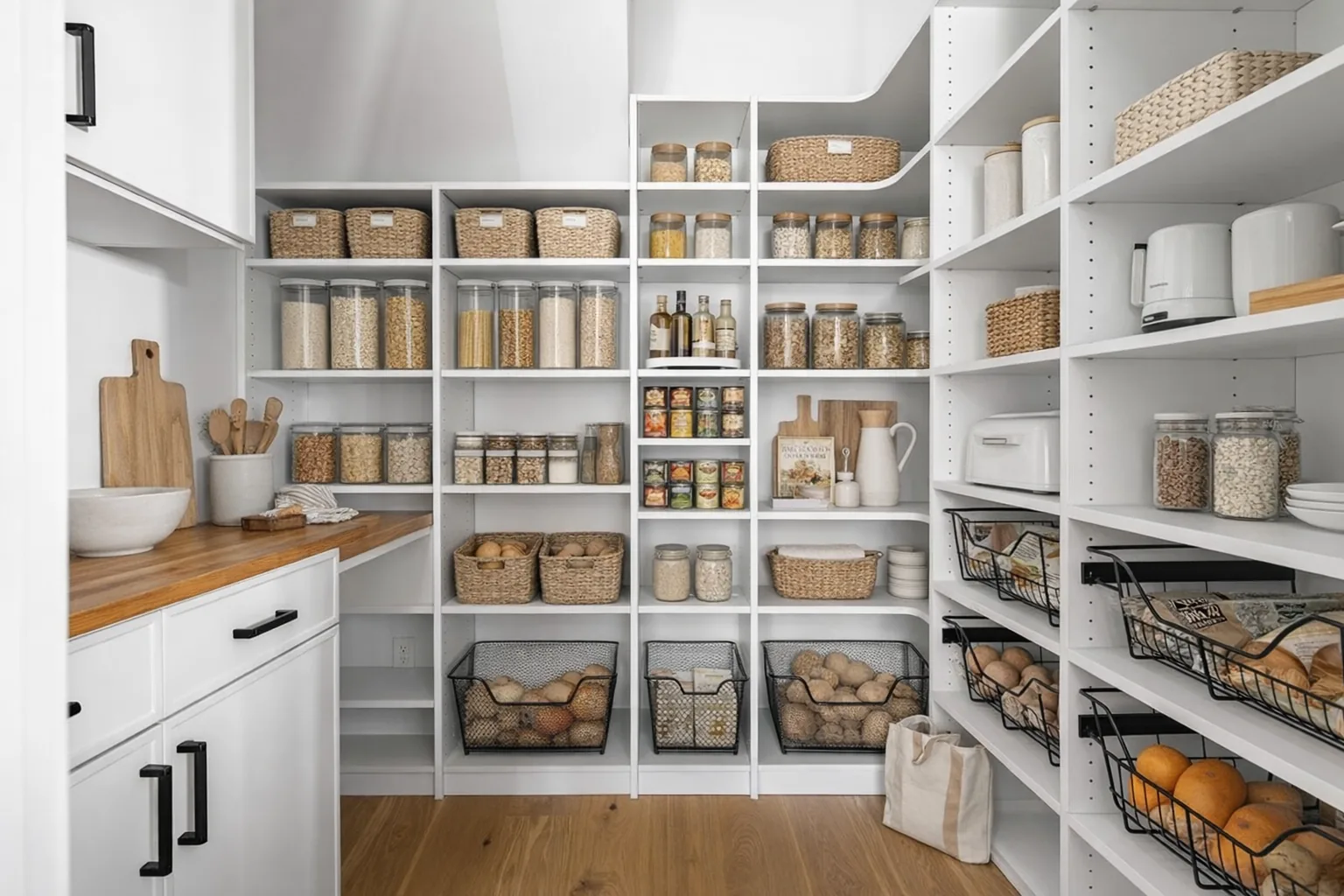
A pantry can have plenty of storage and still make everyday cooking feel more complicated than it should. With a thoughtful custom pantry design, you can create a space that reflects how your household actually shops, cooks, and enjoys meals together. Whether you’re preparing dinner after a busy day or stocking up for the week, having storage that works with your habits can make a real difference.
At OC Tailored Closet, we love helping homeowners make their kitchens easier to use with pantry storage designed around their needs. We look аt what could work better in your current space and help you find a setup that makes daily routines simpler. The right changes can make your pantry one of the most useful parts of your kitchen.
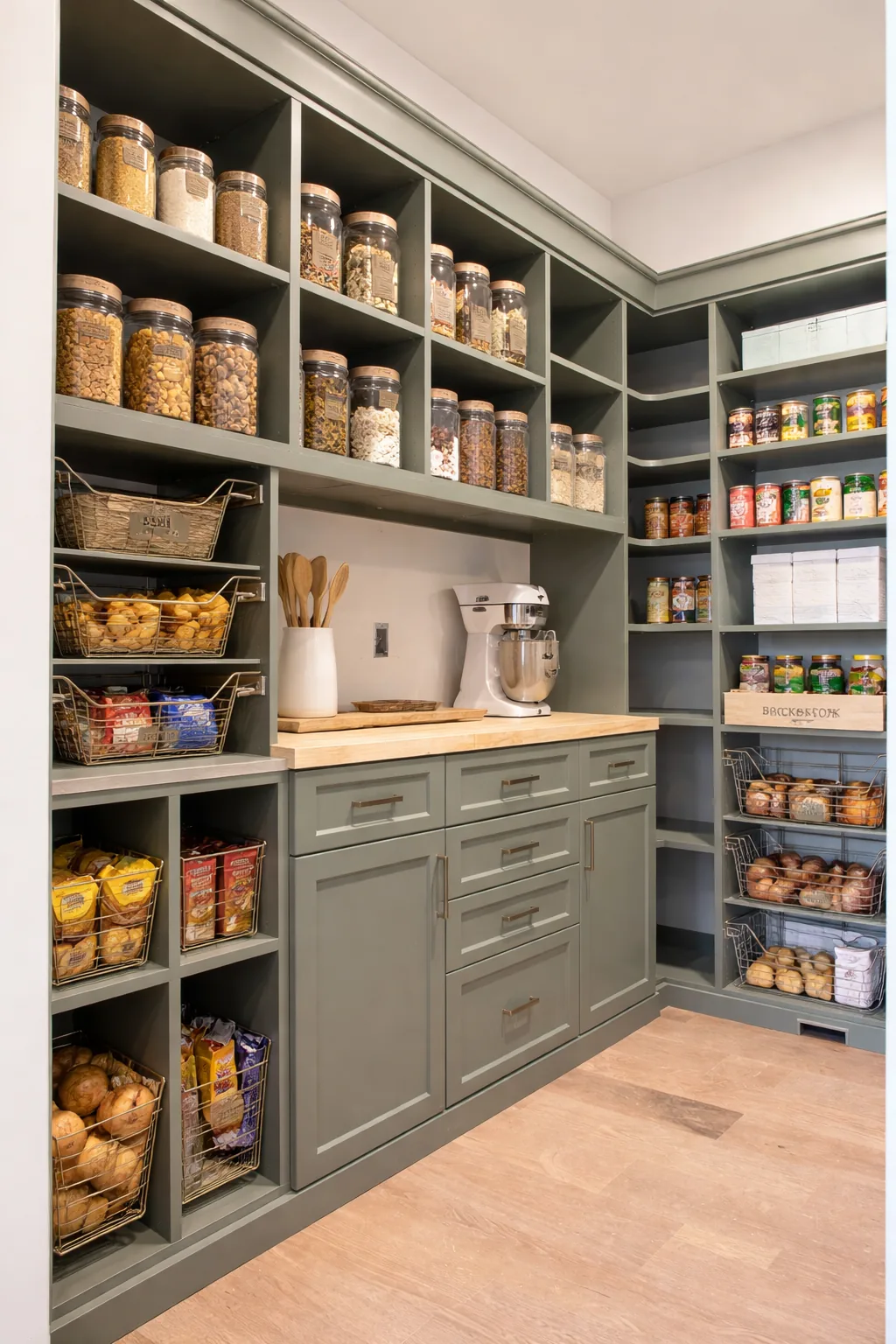
Start Your Custom Pantry Design With Your Household’s Food Habits
Every household uses its pantry a little differently, and those habits should influence how the space is designed. Before choosing cabinetry, think about how food moves through your kitchen and what you usually need to keep on hand. Taking a closer look at your routine can help you plan storage that makes cooking and putting groceries away much easier.
Think About How Often You Shop for Groceries
How often you grocery shop can tell you a lot about how much pantry space you need. If you prefer shopping several times a week, you may want storage that keeps a smaller selection of groceries easy to see and reach. If you stock up weekly or buy in bulk, you’ll likely need more capacity to accommodate larger packages and backup supplies.
Think about what happens when you return from a typical grocery trip. Does everything fit comfortably, or do you end up squeezing items wherever there’s room? Your answer can help you estimate how much storage the new pantry should provide and whether you need spаce for larger purchases.
Consider How Your Household Prepares Meals
Your cooking habits can help determine which areas of the pantry should be easiest to access. If you regularly prepare meals from scratch, you’ll probably want everyday ingredients close at hand. If your household prefers quick meals, your priorities may look different. Think about what you reach for when cooking and how often you use it. A pantry arranged around those habits can make meal preparation feel easier and save you from constantly searching for what you need.
Account for Everyone Who Uses the Pantry
Think about who regularly opens the pantry and what they need from it. If you have children, keeping appropriate everyday snacks within their reach can make the space easier for them to use independently. In a shared household, giving everyone a clear idea of where things belong can also make organization much simpler.
Accessibility matters here, too. Frequently used groceries should sit at a comfortable height for the people who need them. You want everyone to be able to find what they’re looking for and put it away without having to rearrange the pantry each time.
Take Inventory Before Deciding on Storage Features
Before choosing cabinetry, take a quick inventory of what you typically keep in your pantry. This gives you a realistic picture of how much storage each category requires and helps you avoid planning around groceries you rarely buy.
Consider how much space you usually need for:
- Everyday ingredients: Regularly used foods that should stay easy to find during meal preparation.
- Bulk groceries: Larger purchases and backup supplies that need enough room to be stored comfortably.
- Snacks and ready-to-eat foods: Items that benefit from a clearly designated area for easy access.
- Specialty ingredients: Foods you use for particular recipes that may need their own storage space.
You may notice that certain categories take up much more room than expected. Use that information to guide your pantry storage decisions. Once you know what needs to fit, you can choose cаbinetry features that accommodate your groceries comfortably and leave enough space to keep everything organized.
Enjoy a Pantry Designed Around You by OC Tailored Closet
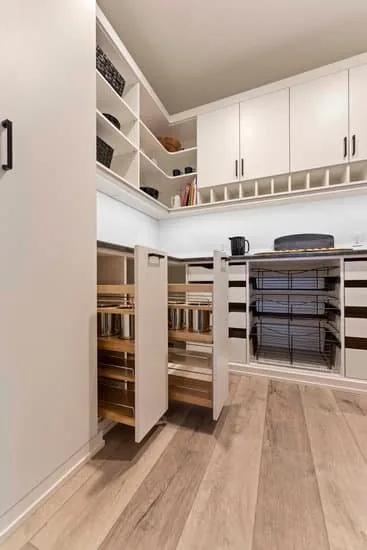
At OC Tailored Closet, we enjoy helping homeowners make their kitchens easier to use with pantry storage designed specifically for them. We know how frustrating it can be when groceries pile up or the space never seems to have enough room. Our designers work closely with you to create a pantry that makes cooking easier and gives your household a storage setup you’ll enjoy using every day.
We Start by Understanding Your Kitchen and Household Needs
We begin by learning how your household uses the pantry and what you would like to improve. During your in-home consultation, we talk about your grocery habits and where your current storage falls short. We want to understand what would make the biggest difference to your daily routine before deciding how the cabinetry should be arranged.
We also take professional measurements to see what the available space can comfortably accommodate. From there, we work with you to plan a layout that makes sense for your kitchen. Whether you have a compact pantry or a larger walk-in, we focus on making the available room as useful as possible.
We Create Custom Pantry Cabinetry Around Your Space
Our custom cabinetry allows us to plan storage around the groceries and kitchen supplies you actually keep at home. We help you decide where shelving or drawers would be most useful and how to arrange them for easy access. You’ll also have the opportunity to choose cabinetry finishes that complement your kitchen. We bring the proposed design together in a personalized 3D presentation, so you can review the layout and make adjustments with us before moving forward.
We Bring the Design Together With Professional Installation
Once you’re happy with your pantry design, our experienced craftsmen handle the installation. We follow the approved measurements carefully and make sure the cabinetry is installed according to the agreed plan.
We’ve been providing custom cabinetry design and installation services throughout Orange County since 1988. That experience has helped us develop a process where homeowners stay involved and informed throughout their projects. We tаke pride in our craftsmanship and want you to feel confident about your new pantry from the moment you start using it.
If you’re looking for inspiration, you can also explore our completed projects to see how we’ve helped homeowners improve storage throughout their homes. We approach every pantry with the same goal: creating a space that makes everyday kitchen tasks easier and continues working well for your household over time.
Plan a Pantry Layout That Supports Everyday Kitchen Routines

A pantry should make your time in the kitchen easier, whether you’re putting groceries away or getting dinner ready. The way you arrange the storage can make a big difference in how quickly you find what you need. Before choosing cabinetry, look at the available space and consider how the layout can support your household’s daily routine.
Choose a Layout That Works With the Available Space
The size and shape of your pantry will influence which layout works best. In a reach-in pantry, you’ll want shelves that make good use of the available space while keeping everything easy to see. Shelves that extend too far back can make groceries difficult to retrieve, so pay attention to how much depth you actually need.
A walk-in pantry gives you more freedom to arrange storage along different walls. You can use the extra room to create a larger storage area, provided there’s enough space to move comfortably. If your kitchen doesn’t have a separate pantry, custom storage within existing cabinetry can also give your groceries a dedicated place.
Organize the Pantry Into Practical Food Zones
Grouping groceries according to how you use them can make cooking and putting things away much easier. You might keep breakfast foods together while giving your everyday cooking ingredients a separate area. Think about which foods you usually reach for during the same activity and arrange them nearby. This gives each part of the pantry a clear purpose and makes it easier for everyone in the household to find what they need. Keep the categories simple enough that maintaining the arrangement feels natural.
Place Frequently Used Items Within Comfortable Reach
Where you place your groceries matters just as much as how you group them. The foods you reach for every day should sit at a comfortable height, where you can grab them without stretching or bending unnecessarily.
Upper shelves are useful for lighter belongings you need less often. This keeps the most accessible storage available for your regular routine and helps you make better use of the pantry’s height.
Heаvier groceries generally belong on sturdy lower shelves that are designed to support their weight. Think about how comfortably you can lift and return those items, especially if you regularly buy larger packages. A little planning around accessibility can make restocking much easier.
Consider Doors, Corners, and Walking Clearance
Before finalizing the layout, check how the pantry functions when you’re actually using it. Doors need enough room to open comfortably, and nearby cabinetry shouldn’t make shelves difficult to reach. If you’re planning a walk-in pantry, make sure you can move through the space without constantly stepping around storage.
Corners deserve some attention as well. Deep corner shelves can make groceries harder to retrieve, particularly when you have to move other items out of the way first. Choosing an arrangement that keeps those areas accessible can help you use more of the available room without making the pantry frustrating to navigate.
Choose Pantry Storage Features That Make Groceries Easier to Organize
The right storage features can make your pantry much easier to use, especially when you’re trying to fit different types of groceries into the same space. Custom cabinetry gives you more control over how everything is arranged. Think about what currently feels inconvenient and which changes would make putting groceries away or finding ingredients simpler.
Use Adjustable Shelving for Different Grocery Sizes
Adjustable shelves are especially helpful in a pantry because grocery packaging comes in so many different sizes. Fixed shelves can leave too much empty space above shorter products or make taller items difficult to accommodate. Being able to change the shelf heights lets you use the available room more efficiently.
Pay attention to shelf depth as well. If your shelves are too deep, groceries can easily disappear behind one another. Choose dimensions that keep everything visible and comfortable to reach. As your household’s needs change, you can adjust the shelving without having to replace the cabinetry.
Consider Pull-Out Storage for Deeper Pantry Areas
If you have deep pantry cabinets, pull-out shelves can make the space much more convenient. They allow you to bring stored groceries forwаrd so you can see what’s inside without reaching all the way to the back. This can be particularly helpful for smaller packaged foods that tend to get lost behind larger items. Before choosing pull-outs, consider what you’ll store inside and whether the available dimensions and weight capacity are suitable. You may only need them in certain sections where accessing groceries is currently difficult.
Create Dedicated Space for Bulk Groceries
If your household regularly buys groceries in larger quantities, giving those purchases their own storage area can make the pantry easier to manage. You can plan wider shelving around the products you typically buy and keep backup supplies together until they’re needed.
Consider the weight of those groceries when deciding where to store them. Heavier packages should sit on appropriately supported shelving, preferably where you can lift them comfortably. Keeping bulk supplies in a separate area also frees up your most convenient shelves for everyday ingredients.
Make Room for Small Kitchen Appliances When Appropriate
If you have appliances that you only use occasionally, your pantry may be a good place to store them. Dedicated cabinetry can keep them accessible while freeing up space elsewhere in the kitchen. Before including appliance storage, think about how much room each item needs and whether you’ll be able to lift it out comfortably.
It’s also important to distinguish between storing an appliance and operating it inside the pantry. Appliances that produce heat or steam may require specific ventilation and electrical provisions. Always follow the manufacturer’s instructions and required clearances if you’re planning a dedicated operating area.
If your pantry has enough space, appliance storage can be a useful addition. Just make sure it fits your cooking habits and leaves enough room for the groceries you need to keep organized.
Add Design Details That Keep the Pantry Functional and Organized
Once you’ve planned the main storage, a few finishing decisions can make your pantry much easier to use and maintain. Think about what will help you keep groceries organized after everything is installed. The right details can save you time during everyday kitchen tasks and help the pantry continue working well as your household’s needs change.
Improve Visibility With Thoughtful Lighting
Good lighting makes it easier to find ingredients and read packaging, especially in a pantry with limited natural light. If you have deeper shelving, pay attention to where shadows fall and whether the existing fixtures reach those areas. You want to be able to see what’s on each shelf without having to move groceries around.
Integrated lighting cаn be worth considering if your pantry has enclosed cabinetry or areas that are difficult to illuminate. It’s best to discuss this during the design stage so you can plan fixture placement and any necessary electrical work before installation. Even a fairly simple lighting arrangement can make the pantry more convenient to use.
Choose Materials That Are Easy to Maintain
Pantry cabinetry needs to handle regular use, so consider how easily the surfaces can be cleaned. Spills happen, and being able to wipe down a shelf without much effort makes maintenance simpler. You’ll also want materials that suit the pantry’s moisture conditions and can support the weight of what you plan to store. When comparing finishes, ask about their durability and care requirements so you can choose something that looks good and works well for your household.
Use Containers and Labels Where They Improve Organization
Containers can make certain ingredients easier to store, especially when their original packaging is difficult to keep closed or takes up unnecessary room. However, transferring groceries into containers also means keeping track of what’s inside them. Choose an approach that you can realistically maintain after each shopping trip.
A few practical tips can help:
- Choose containers selectively: Focus on ingredients that genuinely benefit from being transferred out of their packaging.
- Check the dimensions: Make sure containers fit comfortably on your shelves and leave enough room for easy handling.
- Use clear labels: Label similar-looking ingredients so everyone in the household can identify them quickly.
- Keep important product information: Retain expiration dates and relevant preparation instructions when removing original packaging.
You can also leave groceries in their original packaging when that’s more convenient. The goal is to create a system that makes food easier to find and put away without adding unnecessary work to your routine.
Allow Some Flexibility for Changing Food Habits
Your pantry needs may look different a few years from now. You might start shopping in larger quantities or change the kinds of meals you prepare regularly. Leaving some flexibility in the cabinetry makes those adjustments much easier.
Adjustable shelving is particularly useful because you can change the available height as your groceries change. It’s also worth keeping some storage areas open to different uses rather than assigning every section a highly specific purpose. This gives you more freedom to reorganize the pantry without making changes to the cabinetry itself.
Let’s Create a Pantry That Works for You
A custom pantry design can make everyday kitchen routines easier by giving your household storage that fits the way you shop and cook. The right layout helps you find ingredients quickly and put groceries away without unnecessary rearranging. Choosing practical storage features also makes it easier to stay organized аs your household’s needs change.
If your current pantry feels difficult to manage or isn’t making good use of the available space, we’d love to help you improve it. At OC Tailored Closet, we can help you create a pantry that fits your home and makes everyday cooking more enjoyable. Reach out for a free in-home consultation, and let’s start bringing your ideal pantry to life.
FAQs
What should I prioritize when planning a custom pantry design?
Start with how your household uses the pantry every day. Think about how often you shop, how much food you typically keep on hand, and which ingredients you reach for regularly. These habits will help you decide how the storage should be arranged. It’s also worth considering what frustrates you about your current pantry so you can address those issues in the new design.
Can I create a functional pantry without a separate pantry room?
Absolutely. You can create dedicated pantry storage within your existing kitchen cabinetry or along an available wall. The key is choosing a location that feels convenient when you’re preparing meals. Custom cabinets can be sized around the available space and your grocery needs. Even a smaller pantry area can work well when the shelving is properly planned and everything stays easy to access.
How does OC Tailored Closet personalize pantry storage for my household?
We begin by learning how your household shops and uses the kitchen. During your consultation, we ask about your current pantry and what you’d like to improve. We then use that information to plan cabinetry around your actual storage needs. We want your finished pantry to feel easy to use, with enough room for the groceries you regularly keep at home.
Can OC Tailored Closet design a pantry for a small or awkward space?
Yes. We work with the dimensions of your existing space to find a storage arrangement that makes sense. Our designers take professional measurements and consider how the cabinetry will fit within the room. We can also explore ways to use areas that your current setup leaves underused. Our goal is to help you get more practical storage from the space available.
Can OC Tailored Closet coordinate pantry cabinetry with my existing kitchen?
Of course. We help you choose cabinetry finishes that complement your kitchen and reflect your personal preferences. During the design process, we discuss the look you want and explore available options together. We also consider how the cabinetry will fit within the surrounding room. We want your pantry to feel like a natural part of your kitchen while giving you the storage you need.