
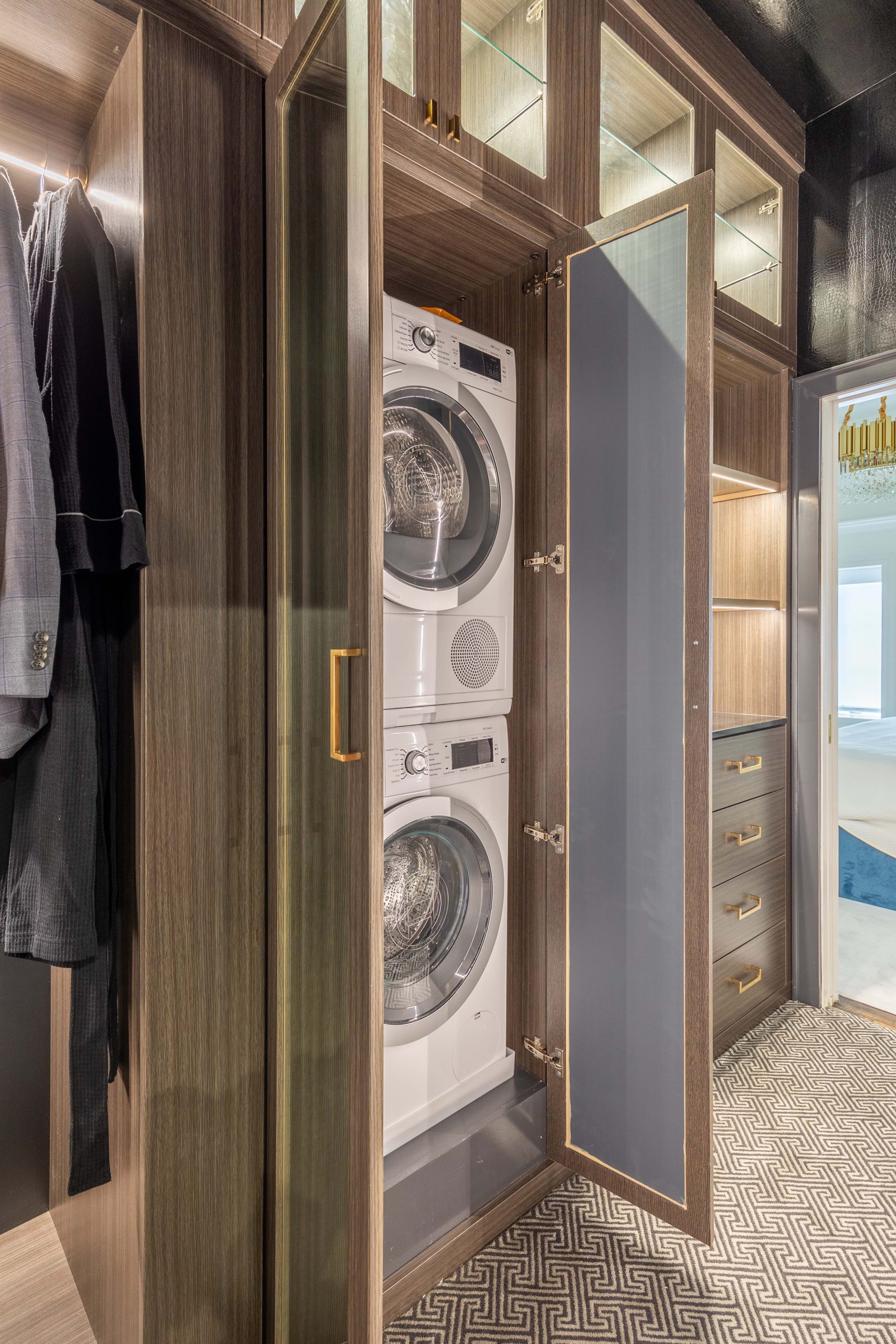
A closet laundry room can turn a compact or underused area into one of the most efficient workspaces in the home. When laundry supplies, cleaning products, linens, and household essentials all need a place to live, smart storage planning becomes the difference between daily frustration and a space that feels easy to manage.
At OC Tailored Closet, we help homeowners create laundry room designs that make better use of available space while supporting real household routines. The right layout can improve accessibility, reduce clutter, and bring a more polished sense of order to a hardworking area. With a few thoughtful design decisions, even a small laundry space can work harder, look cleaner, and feel far more practical.
Why Closet Laundry Rooms Require a Different Design Approach
Closet laundry rooms often have to work harder than their square footage suggests. With limited room for appliances, supplies, linens, and household essentials, the design needs to be especially intentional. A compact laundry area can function beautifully when storage, accessibility, and movement are planned together from the beginning.
Compact Spaces Create Tighter Storage Demands
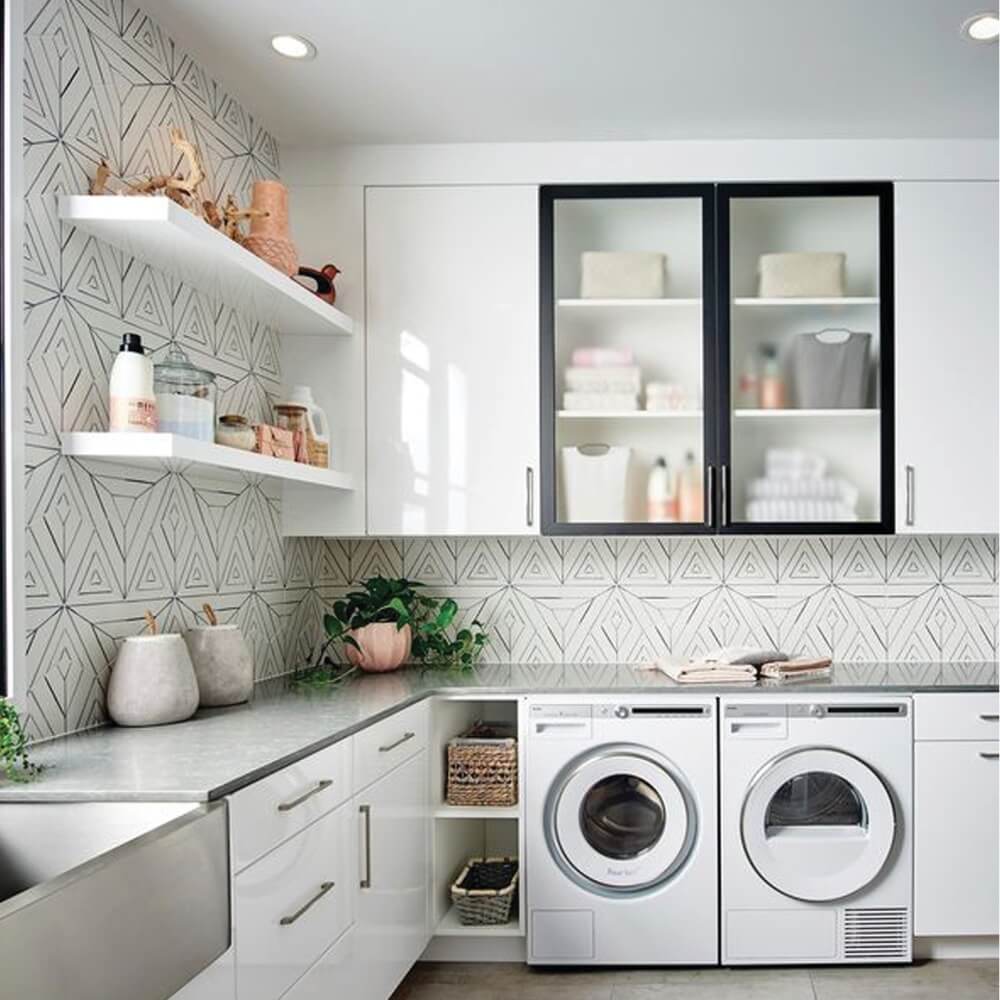
Laundry closets differ from traditional laundry rooms because there is far less open space to absorb clutter or accommodate extra storage pieces. Every shelf, cabinet, and open area needs a clear purpose. When storage is not planned carefully, detergents, cleaning supplies, baskets, and household items can quickly overwhelm the space, making everyday laundry tasks feel more cramped and difficult than they need to be.
Appliance Access Must Stay Comfortable
Appliances often occupy the majority of a closet laundry room, which makes accessibility a major design priority. Doors, machine clearance, reach zones, and nearby storage placement all influence how comfortable the space feels during daily use. Homeowners need room to load, unload, sort, and access supplies without awkward movement. The best designs account for real routines rather than focusing only on fitting appliances into the available footprint.
Efficiency Depends on Intentional Planning
In a compact laundry area, every inch carries value. Storage should support the flow of the task, with frequently used items kept within easy reach and less-used supplies placed where they do not interfere with daily routines. Successful closet laundry rooms focus on efficient use, clear access, and organized storage zones, creating a space that feels practical, orderly, and easier to maintain over time.
Choosing the Right Layout for a Closet Laundry Room
Layout plays a major role in how well a closet laundry room functions. In a compact space, storage, appliance access, and movement all need to work together. A thoughtful layout helps homeowners make the most of limited square footage while keeping daily laundry tasks manageable and organized.
Room Features Shape the Best Design
Every closet laundry room has its own constraints and opportunities. Room dimensions, appliance placement, door openings, nearby walls, and surrounding architecture all influence what kind of layout will work best. A design that looks appealing on paper still needs to account for how the space will be used every day, especially when appliances take up most of the available footprint.
Accessibility Should Guide Storage Placement
Easy access to appliances should remain central to the layout, and storage should support the way the space is used during daily routines. Important layout considerations include:
- Appliance doors should open comfortably without blocking access to supplies or nearby storage.
- Frequently used products should be positioned within easy reach of the washer or dryer.
- Shelving and cabinetry should preserve enough room for loading, unloading, and sorting laundry.
- Storage depth should be planned carefully so items remain visible and easy to retrieve.
- Less frequently used supplies can be placed higher or farther from the main work zone.
Thoughtful placement helps preserve storage capacity while making the laundry process feel smoother and more natural.
Smart Planning Reveals Hidden Opportunities
Poor layouts can create small inefficiencies that become noticeable during everyday use, from awkward reach zones to crowded supply areas. Professional space planning helps balance accessibility, organization, and visual appeal while identifying storage opportunities homeowners may overlook. With the right layout, even a compact laundry closet can feel orderly, practical, and designed for real household routines.
Creating Dedicated Storage Zones Within a Laundry Closet
A laundry closet works best when every item has a clearly defined place. Dedicated storage zones help homeowners avoid clutter, locate supplies quickly, and maintain organization over time. In a compact space, assigning specific areas for specific categories can make the entire laundry routine feel easier and more predictable.
Laundry Products Need a Primary Zone
Detergents, fabric care products, stain treatments, and other frequently used laundry supplies should be grouped in a convenient location near the main work area. This helps reduce unnecessary searching during routine tasks and keeps essential products from spreading across shelves or work surfaces. When these items have a dedicated zone, the laundry closet becomes easier to use and simpler to reset after each load.
Cleaning Supplies Should Stay Organized by Use
Many laundry closets also store cleaning products and household essentials, which can quickly create clutter when mixed with laundry supplies. Organizing these items by purpose helps maintain order and improves accessibility. Supplies used regularly should remain within comfortable reach, while backup products or less frequently used items can be placed in secondary storage areas that preserve the main workflow.
Linens and Household Items Benefit From Clear Placement
Towels, linens, extra bedding, and frequently used household items often need storage within or near the laundry area. Giving these belongings their own designated space helps prevent them from competing with detergents, cleaning products, or seasonal supplies. Clear placement also makes it easier to identify when items need replenishing, rotating, or relocating as household needs change.
Separating Daily and Occasional Items Improves Usability
Everyday supplies and occasional-use items should be organized according to how often they are needed. Frequently used products are most helpful when placed at easy-to-reach heights, while seasonal supplies and household overflow can be stored higher or farther from the main work zone. This simple distinction supports long-term organization by keeping the most important items accessible and ensuring the closet remains practical during daily use.
Storage Ideas for Laundry Closets Located in Hallways and Shared Spaces
Laundry closets located near hallways, kitchens, or living areas require especially thoughtful planning. Because these spaces are often visible during daily routines, storage needs to support function while maintaining a clean, organized appearance. A well-designed laundry closet can feel intentional within the surrounding home rather than like a utility zone squeezed into a convenient spot.
Visibility Changes the Design Priorities
When a laundry closet sits in a shared area, clutter becomes more noticeable. Detergents, baskets, cleaning products, and loose household supplies can quickly affect the look of the hallway or nearby room. Concealed storage, organized shelving, and defined zones help keep everyday items accessible while reducing visual noise. This creates a calmer appearance in areas where family members and guests naturally pass through.
Storage Should Blend With the Surrounding Space
Integrated cabinetry can help a laundry closet feel connected to the rest of the home while still keeping daily supplies easy to manage. Helpful design strategies include:
- Using concealed storage to keep detergents, cleaning products, and household supplies out of sight.
- Creating dedicated interior zones so frequently used items remain organized and easy to reach.
- Planning storage that complements nearby rooms and feels visually consistent with the surrounding space.
- Keeping open areas minimal in highly visible locations to reduce visual clutter.
- Reserving upper storage for seasonal items, backup supplies, and products used less often.
These choices help the laundry area maintain a cleaner appearance while still supporting everyday household routines.
Functionality Still Needs to Stay Front and Center
A polished appearance works best when the closet remains easy to use. Appliances, supplies, and storage areas should be arranged so daily tasks feel simple and efficient. Frequently used products need convenient placement, while less-used items can be stored higher or farther from the main work zone. With the right planning, a shared-space laundry closet can stay practical without drawing unnecessary attention to its utility functions.
How OC Tailored Closet Creates Laundry Closet Solutions That Balance Storage and Functionality
A successful laundry closet needs careful planning, especially when space is limited and daily routines depend on easy access. At OC Tailored Closet, we create personalized laundry closet solutions that help homeowners make better use of compact spaces while improving organization, efficiency, and everyday convenience.
We Start With the Way You Use the Space
Every laundry closet has its own limitations, storage demands, and daily routines. At OC Tailored Closet, we begin by understanding how our clients use the space, what they need to store, and where they experience frustration. This allows us to create designs that reflect real household habits, from frequently used laundry products to cleaning supplies, linens, and overflow storage.
Customized Planning Protects Storage and Access
In a compact laundry area, storage capacity and accessibility need to work together. We evaluate appliance placement, available wall space, reach zones, and surrounding architecture to create layouts that use space efficiently while keeping essential items easy to access. This approach helps homeowners gain meaningful storage without making the closet feel crowded, awkward, or difficult to use during everyday tasks.
Collaborative Design Helps Homeowners Plan With Confidence
Our design process gives homeowners the ability to visualize and refine their laundry closet before installation begins. Seeing the proposed layout helps clients understand how storage zones, cabinetry, and access points will function in real life. We also offer a wide range of design possibilities, allowing the finished solution to complement different home styles while supporting the practical needs of the laundry area.
Professional Installation Creates Long-Term Functionality
Precise fit and seamless integration matter in a compact space. Our professional installation team helps ensure each element is measured, placed, and finished with care so the laundry closet feels intentional and functions smoothly. At OC Tailored Closet, we focus on storage systems that improve organization and efficiency over time, giving homeowners a long-term solution for daily household management rather than a temporary organizational fix.
Make Your Compact Laundry Space Work Smarter
A closet laundry room can become a highly efficient part of the home when storage, appliance access, and daily routines are planned together. From choosing the right layout to creating dedicated storage zones, thoughtful design helps compact laundry areas feel cleaner, easier to use, and better equipped for everyday household needs.
The best solutions balance organization, accessibility, and visual appeal so the space feels intentional within the home. At OC Tailored Closet, we create customized laundry closet solutions designed around real routines and long-term functionality. Call us today to schedule your free in-home consultation and discover how your compact laundry space can work harder, look better, and make daily tasks feel easier.
FAQs
What makes a closet laundry room different from a traditional laundry room?
A laundry closet usually has less square footage, tighter appliance clearances, and fewer open surfaces than a full laundry room. That makes layout and storage planning especially important. Every shelf, cabinet, and storage zone needs to support daily use without making the space feel crowded. A successful design keeps supplies accessible while maintaining a clean and organized appearance.
How can I make a small laundry closet more functional?
Start by thinking about how you move through the task. Frequently used products should be easy to reach, while backup supplies and seasonal items can be stored higher or farther from the main work area. Concealed storage, dedicated zones, and carefully planned shelving can help reduce clutter and make the space easier to manage during daily routines.
How does OC Tailored Closet design laundry closet solutions?
At OC Tailored Closet, we begin by learning how our clients use the space, what they need to store, and which parts of the laundry routine feel inefficient. We then create a customized design that balances storage, accessibility, and visual appeal. Our goal is to help homeowners make better use of compact laundry areas with solutions tailored to their routines.
Can OC Tailored Closet help with laundry closets in shared spaces?
Yes. We can help design laundry closet solutions for hallways, kitchens, utility areas, and other shared spaces where appearance matters. These areas often need concealed storage, clean lines, and thoughtful organization so the laundry function remains convenient without overwhelming the surrounding room. We focus on creating designs that feel connected to the home.
Why is professional installation valuable for a compact laundry closet?
Compact spaces leave little room for imprecise measurements or awkward placement. Professional installation helps ensure storage components fit properly, function smoothly, and integrate naturally with appliances and surrounding architecture. At OC Tailored Closet, our installation process supports a polished, built-in appearance while helping homeowners get the most from limited square footage.